

Customers Can Feel Who Owns the Choice
DCX Links August 2, 2026

Welcome to the DCX weekly roundup of customer experience insights!
Four stories this week point to the same operating question: where should the work sit, and where does human judgment still matter?
A fare menu can offer more choice and still make buying harder.
A loyalty program can produce activity and still miss the moment that matters.
Self-service can reduce internal labor while handing more work to the customer. AI can compress ad production while making creative judgment, brand control, and human review more important.
The useful test is whether the system puts work in the right place. Customers should understand the choice. Teams should own the consequence. People should retain authority where judgment matters.
Let’s dig in.
This Week’s Must-Read Links
JetBlue Separates the Seat From the Fine Print
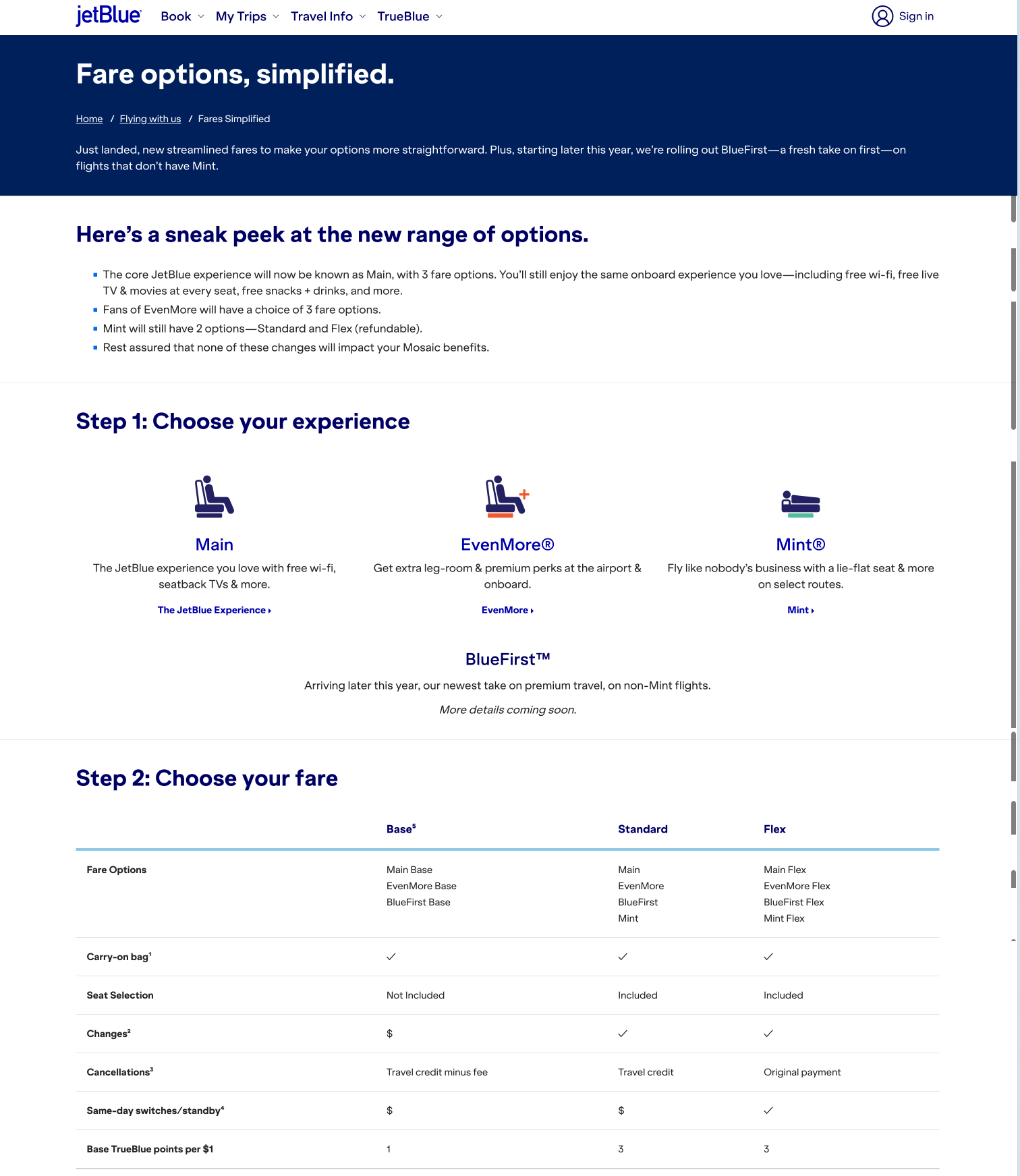
What’s happening: Travelers will choose among Main, EvenMore, BlueFirst, and Mint, then pick Base, Standard, or Flex. The first decision covers the seat and onboard service. The second covers seat selection, change fees, credits, and refunds.
Why it matters: Airlines often force customers to compare several bundles that mix the physical experience with cancellation rules and payment risk. Separating those decisions can make the tradeoffs easier to understand. It also creates a cleaner test of what customers value: the seat, the service, the flexibility, or simply the lowest price.
Reality check: More orderly choices do not automatically create a simpler decision. Four experiences multiplied by three fare options still produce a lot to compare. JetBlue will need plain language, visible differences, and no surprises after checkout. Otherwise, the hierarchy helps the airline merchandise its products more than it helps the traveler choose.
Worth asking this week: Are we organizing choices around how customers decide, or around how our products are structured internally?
Advertising’s New AI Production Model Still Runs on Human Judgment
What’s happening: Boundless describes its people as creative translators, directors, and prompters. Creative directors, filmmakers, writers, and prompt engineers turn brand intent into scenes and variations while AI handles more production machinery. The company says the model can deliver market-ready work faster and at a fraction of conventional cost.
Why it matters: The human role is moving upstream. Less time may go into sets, locations, and repeatable production tasks. More value moves into choosing the idea, protecting the brand, directing emotional cues, and deciding what reaches an audience. For CX leaders, advertising is part of the experience promise.
Reality check: The more production expands, the more disciplined human review has to become. Volume can amplify weak ideas, pull work off-brand, and create trust problems faster. The advantage comes from clear standards, explicit disclosure choices, and people with the authority to reject polished work that still feels wrong.
Worth asking this week: As AI absorbs more production work, which human decisions become more valuable and more accountable?
Loyalty Programs Work Best When the Job Is Specific
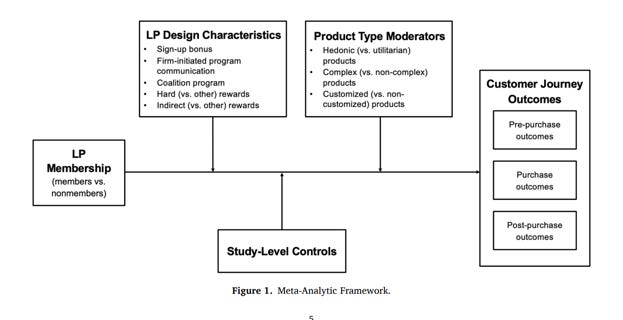
What’s happening: Membership was positively associated with outcomes before, during, and after purchase, but the strongest combined effect appeared at the purchase stage. Program design and product type also changed the results, and some factors helped at one stage while hurting at another.
Why it matters: Loyalty programs are often managed as one system with one scorecard. Enrollment, engagement, purchase frequency, redemption, advocacy, and retention get blended into a general claim that the program is working. The research suggests that is too blunt. A design that helps customers buy may not build the same value after the transaction.
Between the lines: Leaders should start with the behavior they need at a specific stage, then design the benefit and measurement around that job. A program meant to reduce purchase hesitation needs a different experience from one meant to deepen post-purchase use or recovery. More member activity is not a strategy by itself.
Worth asking this week: Which exact customer behavior is our loyalty program supposed to change, and at what point in the journey?
Self-Service Fails When It Feels Like Unpaid Work
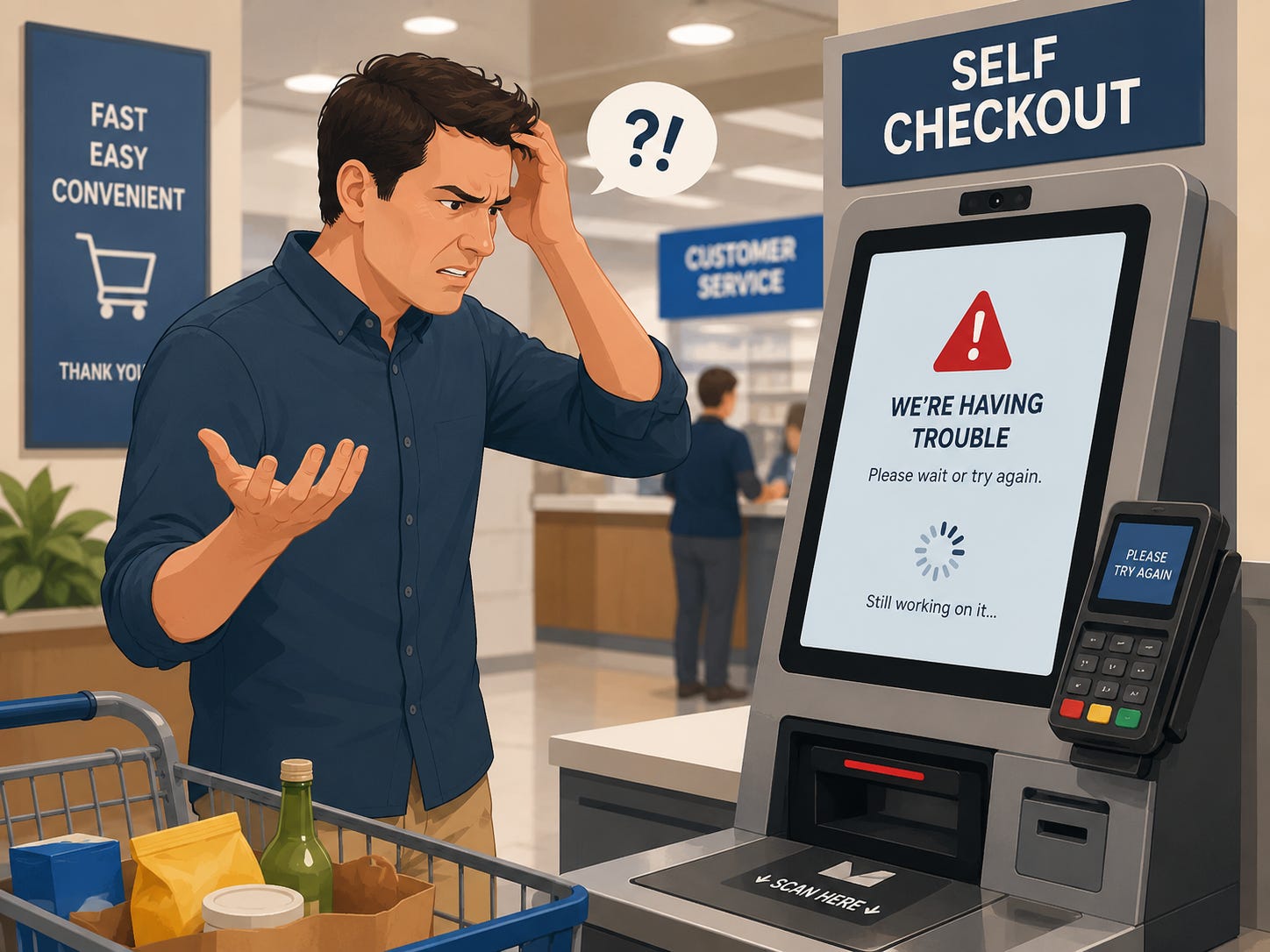
What’s happening: Customers higher in psychological entitlement were more likely to reject the effort required by self-service and report worse attitudes, satisfaction, and intentions. Adding personalization, control, or financial incentives did not remove the effect. Reducing the work required to use the system did.
Why it matters: Companies often respond to weak self-service adoption by adding features or rewards. That can miss the objection. The customer may not want a more personalized way to do the company’s work. They may want the task to require fewer steps, less interpretation, and less recovery when something goes wrong.
Reality check: Calling the customer entitled can become an excuse for poor service design. The study is more useful as a reminder that customers carry different expectations about who should do the work. If self-service shifts labor outward, the experience needs to return enough speed, control, or convenience to justify the trade.
Worth asking this week: Which self-service journey saves us effort without saving the customer enough effort in return?
DCX Stat of the Week
The Customers Who Answer May Be the Happier Ones
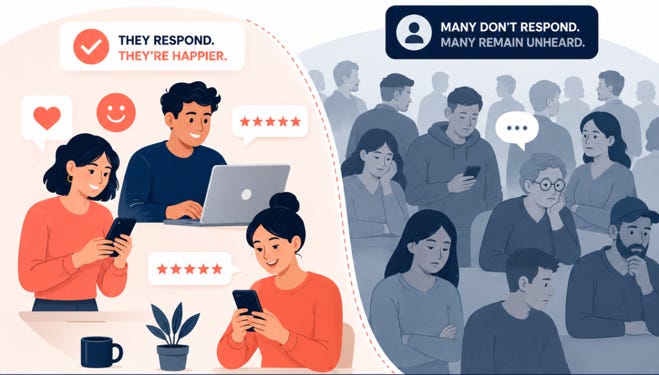
Across about 9,000 support conversations, the average satisfaction score inferred from the full conversation set was 2.91 out of 5, compared with 3.62 among customers who completed a survey.
Takeaway: Survey responses can make service performance look healthier than the full conversation record. The gap is a reason to combine direct feedback with operational and conversational evidence, not a reason to discard customer surveys.
Use this in a meeting: “If only the customers who answer the survey shape the score, we may be managing the easier-to-hear part of the experience.”
DCX Case Study of the Week
Cater Allen Cut Onboarding Time by 75%

CX Challenge: Cater Allen, a Santander UK subsidiary, relied on paper-heavy onboarding that delayed new accounts, created rework, and limited capacity.
Action Taken: The bank and Genpact built a secure digital application portal on Salesforce, automated routing to operations and financial-crime teams, integrated the process with the core banking system, and introduced clearer governance and phased delivery.
Result: Genpact reports a 75% average reduction in onboarding cycle time, with some straight-through applications completed in 24 hours. Requests for additional customer information fell by an estimated 50%, manual intervention dropped by up to 90%, and onboarding capacity rose by an estimated 60%.
Lesson for CX Pros: The customer-facing form was only one part of the change. Speed came from redesigning validation, routing, ownership, and back-office work together.
Quote: “The team brought deep platform expertise and a strong understanding of banking needs, delivering a scalable foundation that accelerates onboarding and elevates customer experience.” Nazia Hussain, Head of IT, Cater Allen
Use this in a meeting: “If the front end is digital but the work behind it still moves by hand, we have changed the screen, not the journey.”
Further Reading: Genpact’s Cater Allen case study
Have a case study to share? Reply and let me know!
One Last Thing
Choice, effort, creative judgment, and loyalty all look different on a dashboard.
To the customer, they collapse into something simpler: Did I understand what I was choosing? Did the work feel fair? Did the message feel true to the brand? Did the benefit show up when I needed it?
Those questions are harder to automate, but they are much closer to the experience customers actually remember.
Have a great week ahead!

If this edition sparked ideas, share it with a colleague or team member. Let’s grow the DCX community together!
✉️ Join 1,700+ CX leaders who are done feeling like they’re pushing change uphill alone.
Every week, you get human-centered insights, plug-and-play CX frameworks, and AI tools that actually work inside real organizations — so you’re not guessing your way through the next “customer-first” initiative.
Human-centered, commercially-aware, and honest about what it really takes to move the customer curve.
👉 Subscribe today to give yourself one steady, reliable source of support for your strategy — and your sanity.