

Design for the Customer Who Is Actually There
DCX Links August 7, 2026

Welcome to the DCX weekly roundup of customer experience insights!
The customer in the journey map is easy to serve.
They can see the screen, understand the language, and follow the expected path. They also seem to have all afternoon.
Real customers don’t arrive that way. One is listening to a checkout through headphones. Another hears a boarding call while trying to get help. Somewhere else, a problem is spread across four dashboards and nobody owns it.
Spend enough time around service operations and you stop calling these edge cases. They’re the work.
This week’s links ask a blunt question: once the business knows what the customer is dealing with, does anything actually change?
Let’s dig in!
This Week’s Must-Read Links
Accessibility Works Better When It Is Built Into the Journey
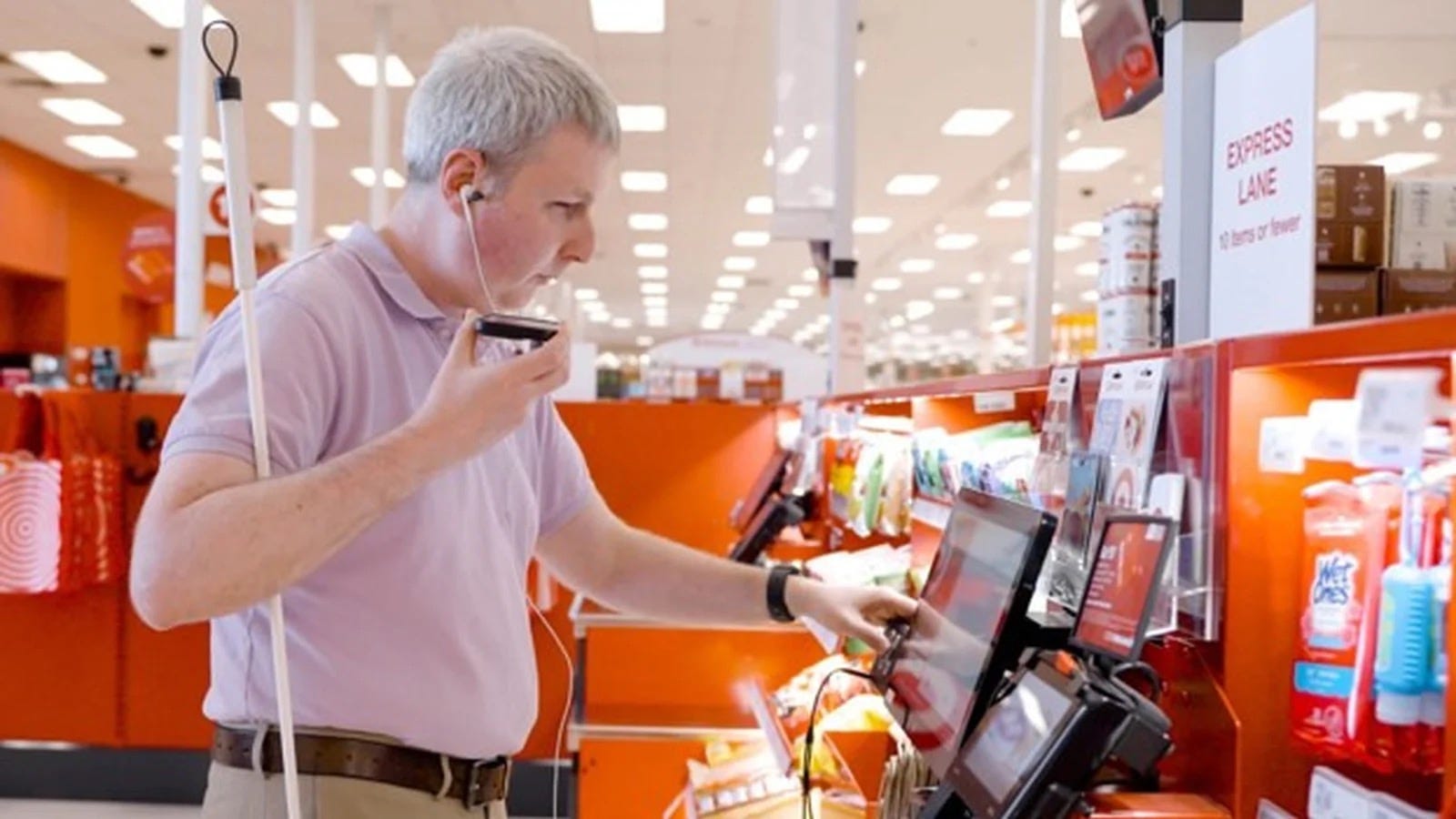
The trip doesn’t start at checkout: A shopper gets to self-checkout and has to decide, pretty quickly, whether this machine will let them finish on their own. Target has added Braille and high-contrast icons, a headphone jack, physical navigation buttons, and a tactile controller. It also offers free Aira visual interpretation in stores and online. What’s good here is that it isn’t treating checkout as the whole job. The shopper still has to find the department, read the package, pay, and get out the door.
One broken step can undo the rest: I’ve seen accessibility treated as a digital requirement that ends when the screen passes review. Customers don’t experience it that way. They may need help finding a department before they ever touch the checkout. One confusing label, package, or payment step can undo the care that came earlier.
Run the whole-trip test: Don’t assign accessibility to one channel and call it done. Pick one real task a customer needs to complete, follow it from start to finish, and find the point where they still need somebody to rescue them.
It doesn’t matter to the person trying to shop independently which team owns which piece.
Ask your team: Where does our accessibility work stop before the customer’s journey does?
American Airlines Designs a Lounge for People Who Do Not Want to Lounge
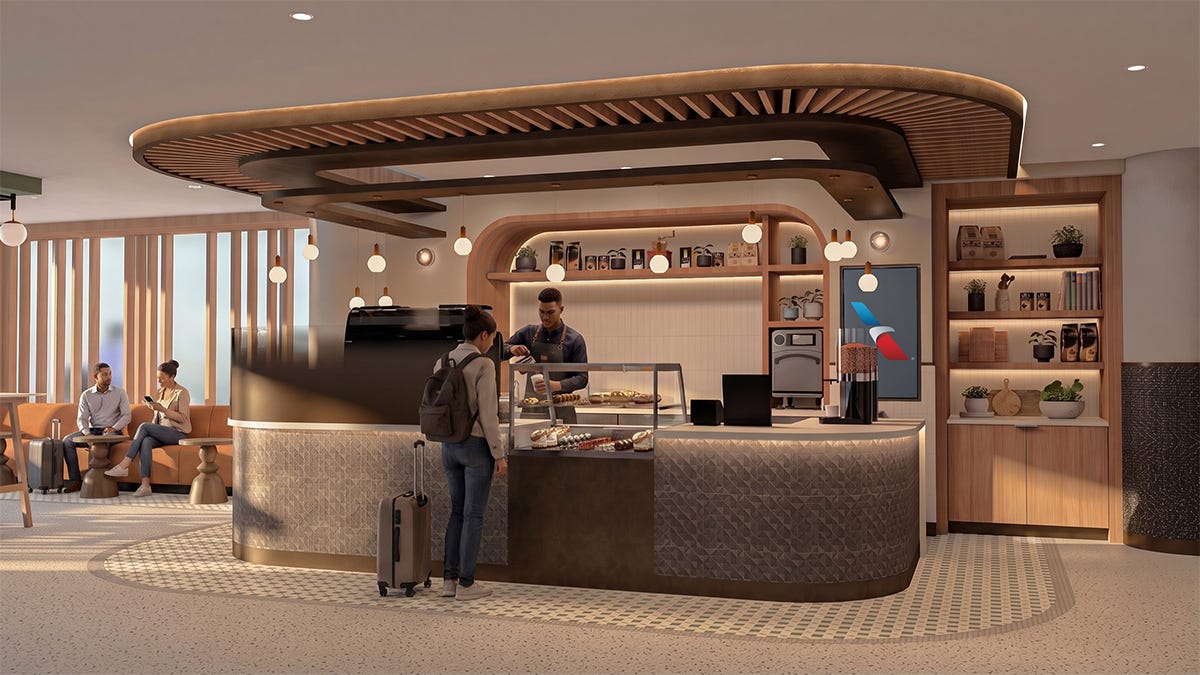
The customer has ten minutes: A traveler doesn’t need a lounge experience; they need coffee, food, and a human answer before the gate changes again. American’s new JFK space is built for that person: prepared food, a dedicated barista bar, and one-on-one travel help close to the gates. The full-service lounge is still there. This is for the traveler who’d rather have ten minutes back than another place to sit.
Premium isn’t always more: A lot of premium design assumes the customer wants more of everything. At an airport, plenty of people just want their time back.
One traveler may settle in for an hour. The next needs coffee and an answer before boarding starts. Provisions recognizes that the second customer isn’t a lesser lounge guest. They’re simply on a different clock.
Find the customer on a clock: Look for the customer who’s in a hurry. Their version of a better experience may be fewer steps, a faster answer, or a shorter line—not more service.
Ask your team: Are we designing every premium experience around the same idea of what customers value?
Refero Gives Design Conversations Something Concrete to Point At
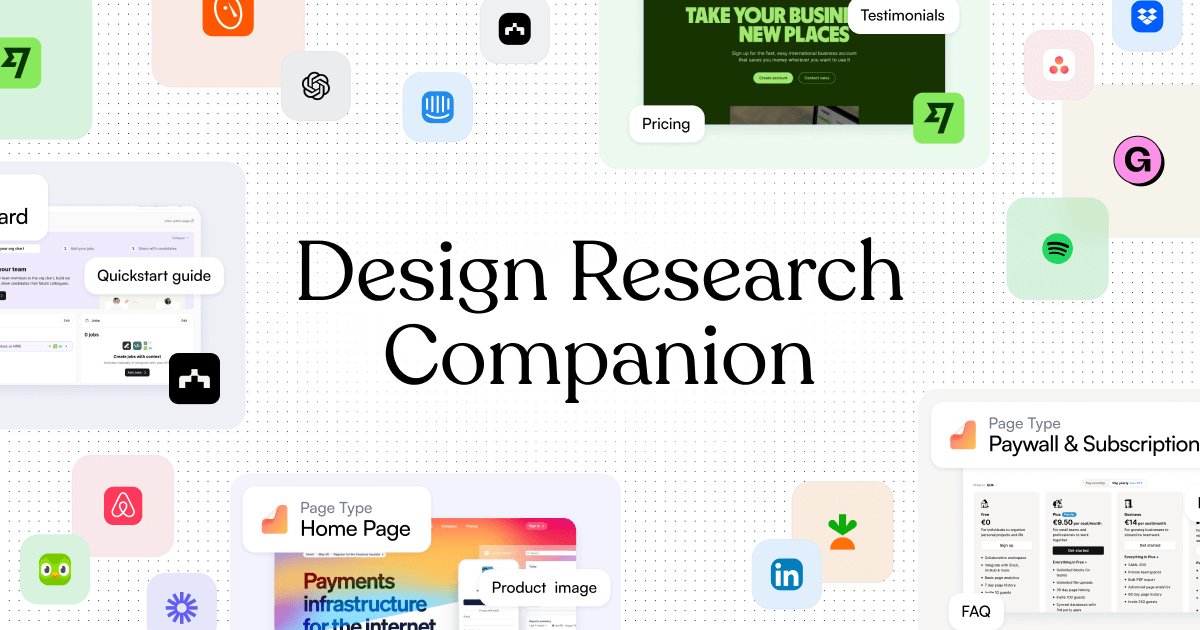
A meeting full of adjectives: A product meeting starts with someone saying, “Can we make this feel more intuitive?” Everybody agrees. Then the room spends an hour talking past itself. Refero gives the team something concrete to look at. You can search thousands of web and iOS screens by the job in front of you—pricing, onboarding, paywalls, subscriptions, testimonials, product presentation—instead of trying to design from adjectives.
“Simple” means five different things: I’ve watched teams lose days to words that sound precise and aren’t. Someone asks for “simple” or “premium,” everyone nods, and five different interpretations arrive in the prototype.
Put a real screen on the table and the conversation gets useful. People can point to the information order, show where a choice becomes confusing, and argue about the recovery path while changing it is still cheap.
Make the choice explicit: Bring examples into the design review before the team starts debating adjectives. Then make the decision explicit: what are we borrowing, what are we rejecting, and why would this work for our customer?
Ask your team: Which design debate could we shorten by putting three real examples in front of the team?
Faster Insight Still Needs the Whole Customer Story
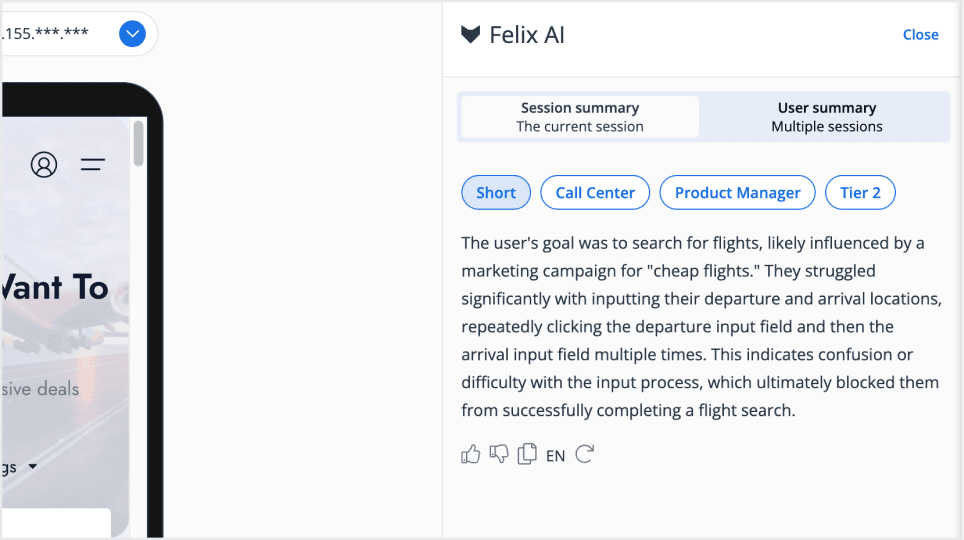
Everyone sees one piece: Conversion falls after a release. Support complaints rise. The product team sees one chart; the service team sees another; the customer just keeps running into the same problem. The idea behind Quantum Metric’s new AI approach is simple enough: don’t wait for someone to ask the perfect question. Follow the clues across the journey and help the team see what may have changed.
An alert is only the start: An AI assistant telling you conversion is down hasn’t done much yet. The useful part is seeing what changed, what customers ran into, and who can actually do something about it. That usually means looking at session behavior, performance data, failed interactions, support volume, and commercial impact together.
The damage piles up in the time between “something’s wrong” and “this person owns the fix.” That’s the part worth solving.
Give the alert an owner: If you’re adding AI to your insight process, don’t stop at detection. Decide in advance who gets the signal, who can make the call, and what happens when the system points to a real customer problem.
Ask your team: Can we trace a customer signal to a decision owner before the next customer hits the same problem?
DCX Stat of the Week
The 49-Point Experience Reality Gap
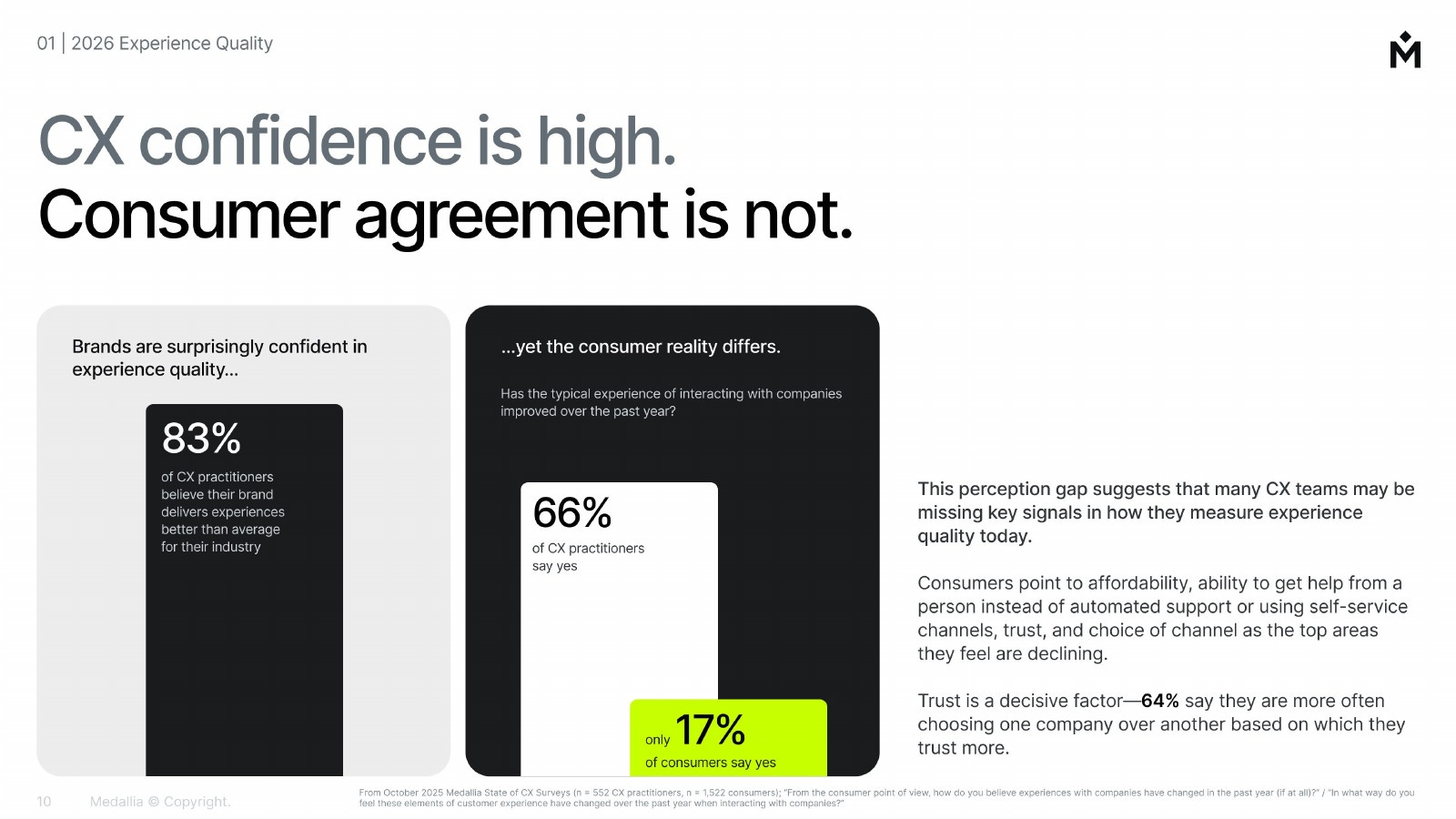
Medallia found that 66% of CX practitioners believed customer experiences improved in the prior year, while only 17% of consumers agreed. The study included more than 1,500 consumers, over 550 CX practitioners, and benchmarks from more than 600 customer programs.
A 49-point gap is too big to write off as a difference in perspective. The company and the customer are living in different versions of the experience.
Takeaway: Inside the company, people can see the roadmap and all the work that’s been completed. Customers only feel what changed for them. When those views are 49 points apart, there’s a good chance the scorecard is tracking activity better than experience.
Use this in a meeting: “Before we call this an improvement, what changed for the customer and how would they notice?”
DCX Case Study of the Week
Quaker Marine Turned “Delivered” Into a Real Customer Conversation

The problem: Most ecommerce brands disappear right after delivery. The customer gets the usual confirmation emails, then it’s on them to come back, find help, start a return, or decide to buy again. Quaker Marine Supply Co. saw that quiet period as part of the experience, not the end of it.
What changed: After delivery, the company sent a simple check-in over iMessage or RCS. No survey, discount, or hard sell. Customers could ask about sizing, care, restocks, returns, or what to buy next in the same thread.
What happened next: In a randomized experiment across 1,910 customers, those who received the check-in repurchased 16% more often within three weeks than the control group. Among customers who replied, repeat purchase was 51% higher. Fifty-eight percent of customers reached through iMessage or RCS responded.
The useful part is the timing: A post-delivery message can easily become another marketing interruption. This worked because it arrived when customers had a real reason to reply—and it made help feel easier than navigating a returns portal or opening a support ticket.
Ask your team: Where does our journey go quiet right when a customer may need help, reassurance, or a reason to come back?
One Last Thing
There is no average customer walking through the journey. There’s only the person who showed up.
They bring however much time they have, what they can do, and everything that’s already happened. The company may split that reality across teams and systems. The customer never does.
The operator’s test is simple: did what we know make the next decision better?
Have a great week ahead!

If this edition sparked ideas, share it with a colleague or team member. Let’s grow the DCX community together!
✉️ Join 1,700+ CX leaders who are done feeling like they’re pushing change uphill alone.
Every week, you get human-centered insights, plug-and-play CX frameworks, and AI tools that actually work inside real organizations — so you’re not guessing your way through the next “customer-first” initiative.
Human-centered, commercially aware, and honest about what it really takes to move the customer curve.
👉 Subscribe today to give yourself one steady, reliable source of support for your strategy — and your sanity.