

Don’t Make Calling the Customer’s Job
Plus: Customers do not hate service because it has AI in it. They hate when the system makes them do the work the company should have done.


Your daily signal on AI and CX — minus the hype.
DCX Stat of the day: Genesys reports that 85% of consumers have spent less or stopped doing business with a brand after poor service, and 21% say one bad experience is enough to switch.
In this issue:
→ Service avoidance becomes a loyalty signal
→ AI has to lower customer effort
→ Phone stress gets a business cost
→ Voice agents need local context
→ The front door needs ownership
🔍 DEEP DIVE
The Customer Already Dreads the Door

Genesys’ new consumer and CX leader research puts a useful number on something most customers already know in their bones: contacting service often feels worse than the original problem.
That is the real AI test.
If AI makes a customer repeat themselves, search for the right menu, argue with a bot, wait for an agent, then explain the whole thing again, the issue is not the model. It is the operating design around it. The customer is still being used as the integration layer between channels, policies, data, and departments.
The hidden risk is that AI lets companies respond faster while still making the customer carry the work. A faster bad path is still a bad path. It just reaches frustration sooner.
For CX leaders, the useful question is not “Can AI answer this?” It is “Can AI remove the next piece of customer labor?” That might mean recognizing intent, pulling context, checking eligibility, routing to a human, explaining the next step, or triggering recovery before the customer asks twice.
Bottom Line: Service AI earns trust when it reduces effort customers can feel, not when it hides the same old maze behind a friendlier voice.
📬 Copy-Paste Take
Before adding AI to customer service, map the labor you are asking the customer to perform. If they still have to identify themselves twice, restate the problem, find the right department, prove the obvious, or chase the next step, the AI is not improving the experience yet. It is just sitting in front of the same broken work.
🧭 OPERATOR PLAYBOOK
Audit the Work You Hand Back to Customers
Do not start with the bot transcript. Start with the customer’s job.
Audit every high-volume service path for four things:
What the customer has to repeat.
What the customer has to prove.
What the customer has to find.
What the customer has to chase.
Then test whether AI removes that work or simply makes the customer move through it in a new channel.
If the answer is “the customer still has to explain it to a human later,” your automation may be creating a nicer waiting room, not a better journey.
Ask your team: Which part of this service path exists only because our systems cannot talk to each other?
Signal: Customer effort is often just internal fragmentation made visible.
📊 MARKET REALITY CHECK
The Phone Call Is Already Expensive

Zoom’s Virtual Agent Receptionist launch makes the service-pressure point plain: 71% of consumers say calling a business is more stressful than the issue they are trying to resolve, and 50% say they would switch to a competitor after one bad experience.
That does not mean every caller wants an AI receptionist. It means the current front door is already costly.
The first call is often high-intent. Someone wants an appointment, an answer, a status update, a fix, or a person who can help. If AI can answer routine questions, schedule, route, and preserve context, it can lower effort. If it becomes another screen before the real help, it will make the phone feel even more insulting.
Why it matters: The customer-service front door is no longer just a cost center. It is a retention, revenue, and trust test that starts before the customer reaches an employee.
Less caller labor = more trust at the front door.
🧰 TOOL WORTH KNOWING
AethexAI
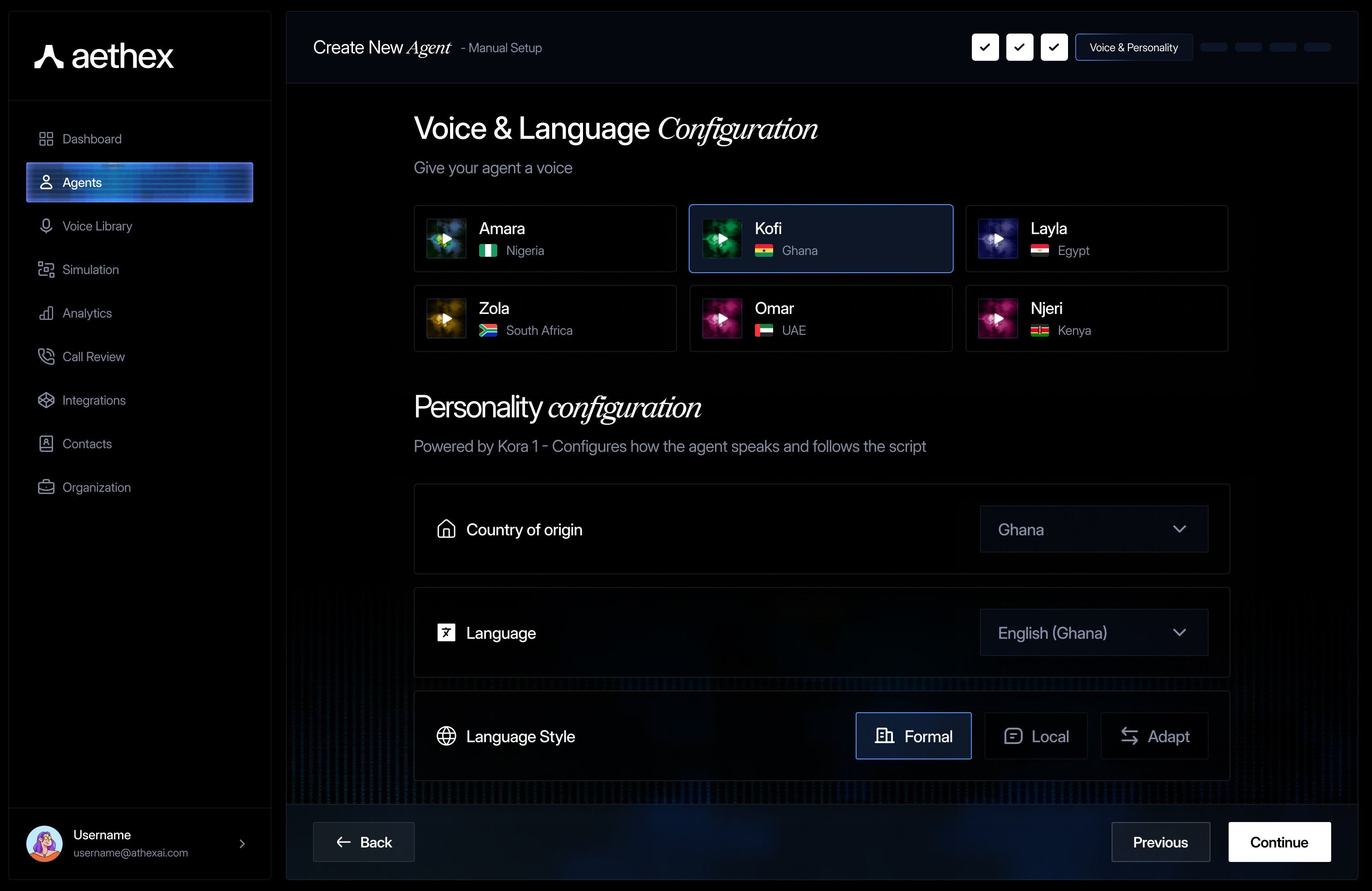
What it does: AethexAI builds localized voice-agent infrastructure for emerging markets, including speech models, deployment tools, workflow-aware routing, telephony, analytics, and agents that can handle support, sales, onboarding, and collections.
CX use case: It is built for service journeys where the customer’s language, accent, dialect, call quality, workflow, and local operating context decide whether automation helps or makes the caller work harder.
Worth watching because: AethexAI says its Kora 1 stack is trained on real conversational speech across emerging markets, supports native tool calling, sub-500ms turn-taking, dialect-aware agents, testing against real call scenarios, and workflows that read, write, trigger actions, and close loops inside existing systems.
Bottom line: Voice AI only reduces customer labor if it understands the customer in the market they are actually calling from. Otherwise, “call automation” becomes another translation job handed back to the caller.
📡 90-SECOND CX RADAR
The AI note-taker in the exam room gets a closer look
Ambient clinical AI listens during a patient visit and helps turn the conversation into clinical notes, summaries, and follow-up documentation. Regenstrief Institute and Suki are partnering to study whether that actually improves the visit, not just the paperwork.
Why it matters: If the tool helps the doctor spend less time typing and more time listening, patients may feel the benefit. If it creates errors, consent confusion, or awkward exam-room behavior, the customer experience problem moves straight into the medical record.
✅ YOUR MOVE
AI is not automatically making service easier.
Sometimes it just gives customers a new place to get stuck.
Pick one high-volume service journey and run a customer-labor audit. Look at what the customer has to repeat, prove, find, chase, translate, or escalate.
Then ask five questions:
What should the system already know?
What can AI retrieve without asking the customer again?
When should the path stop and hand off?
What context must transfer to the employee?
Who owns the fix when the same issue repeats?
The best service AI does not make the company sound smarter. It makes the customer work less.
Until tomorrow,

👥 Share This Issue
Think of one person who’s wrestling with AI in CX right now
and forward this to them.
I’m obsessed with Wispr Flow Pro! Get a Free Month on me.

If someone forwarded this to you, they thought you needed to see it before your next AI planning meeting. Get your own copy.