

Every System Change Creates a Customer Test
DCX Links July 26, 2026

Welcome to the DCX weekly roundup of customer experience insights!
Four very different service changes point to the same test: did the customer’s job actually get easier?
A new app, policy, platform, or piece of store technology can look impressive from inside the business.
Customers use a simpler test. Can I get through this without repeating myself, making an extra trip, decoding a rule, or wondering whether the system is working against me?
That question connects airline integration, mobile account transfers, cash rounding, and smart shopping carts. The industries are different. The customer judgment is remarkably consistent.
Good experience design removes work and makes the remaining rules easier to see.
This Week’s Must-Read Links
Alaska and Hawaiian Put the Journey on One System

Alaska Air Group moved Alaska Airlines and Hawaiian Airlines onto one passenger service system, bringing booking, check-in, loyalty, airport operations, and employee support onto a shared foundation. Guest satisfaction rose 7 percentage points quarter over quarter, while Hawaiian’s rose 10 points.
What’s happening: Customers now use one app and a more consistent airport experience across both airlines. The operational shift also gives employees one system for handling the journey instead of asking travelers to absorb the seams between two carriers.
Why it matters: Airline mergers are easy to describe as corporate transactions. Customers experience them through boarding passes, bag tags, loyalty recognition, schedule changes, and the employee’s ability to find the right answer. The system underneath those moments is part of the service.
The bottom line: Alaska connected an internal integration milestone to visible customer and employee outcomes. That is a better standard than celebrating a platform launch by itself. The useful question is whether the new operating layer reduces inconsistency when the journey is moving normally and when it breaks.
Worth asking this week: Which customer promise still depends on two internal systems behaving as if they were one?
TIM Brasil Removes a Store Visit From Switching Phones

What’s happening: The capability is designed to move an eSIM profile securely across devices and operating systems in a few taps. For millions of Brazilian customers, a device change can become a self-directed digital task instead of a support or retail journey.
Why it matters: Customers rarely care which company owns the entitlement gateway. They care that buying a new phone doesn’t create another errand. This is a useful example of technology improving CX by deleting a step, not by adding another channel or interface.
Between the lines: Removing the visit also removes a human safety net. TIM will still need clear recovery paths for failed transfers, locked devices, identity checks, and customers who aren’t comfortable doing it alone. A shorter happy path only counts as progress if exceptions don’t become harder.
Worth asking this week: What routine customer task could disappear entirely if two systems exchanged permission cleanly?
The Penny Is Becoming a Checkout Trust Problem

As the United States stops producing pennies, cash-handling businesses are dealing with shortages, a patchwork of state rules, and customer confusion over why a total can’t be settled exactly. Proposed federal rules would round cash totals to the nearest five cents while leaving electronic payments unchanged.
What’s happening: Retailers, restaurants, banks, and convenience stores want one national standard. Without it, frontline employees may have to explain different rounding practices while customers decide whether a few cents were handled fairly.
Why it matters: Small amounts can create outsized distrust when the rule is unclear. A customer at the register isn’t thinking about coin-production economics or legislative timing. They’re watching who benefits from the rounding, whether the practice is consistent, and whether cash customers are treated differently.
Reality check: This is an operating-policy change disguised as a minor payment detail. Signage, receipts, employee scripts, point-of-sale logic, refunds, and complaint handling all need to tell the same story. If they don’t, the cashier inherits a policy problem they didn’t create.
Worth asking this week: Which small policy change will customers interpret as a fairness decision?
Smart Shopping Carts Change More Than Checkout
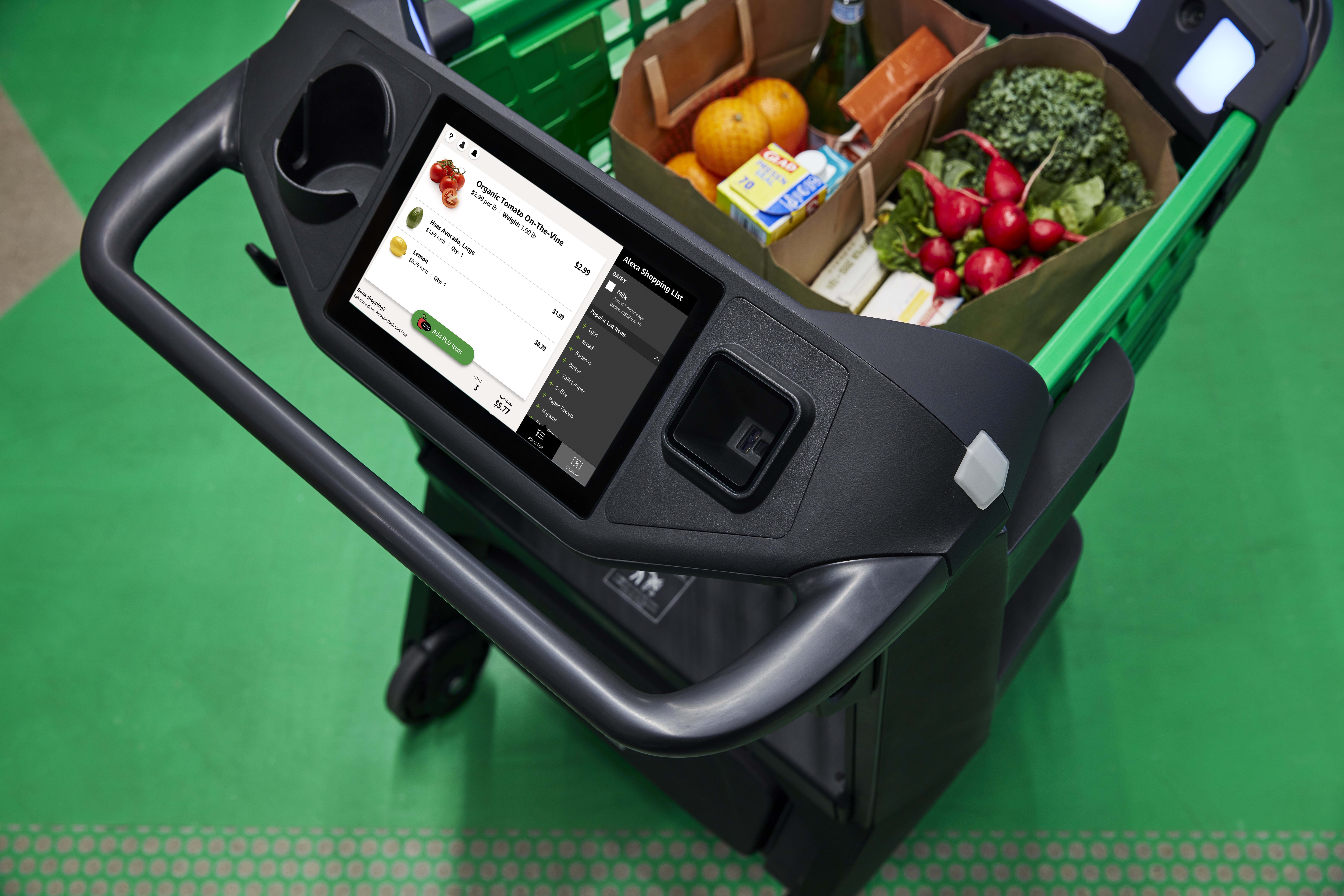
Researchers analyzed 12,418 smart-cart shopping sessions at a major German supermarket. Smart-cart use was associated with higher spending, larger baskets, and longer store visits, but the behavior changed depending on how customers used the technology.
What’s happening: Shoppers who uploaded lists were associated with higher basket values, smaller baskets, and shorter trips. Heavy users spent longer in the store and bought more items. One piece of technology was supporting several different shopping jobs.
Why it matters: Averages can hide the experience. “Smart-cart users spend more” sounds commercially attractive, but it doesn’t explain whether the cart helped someone finish faster, compare more carefully, discover products, or simply remain in the aisle longer. Each behavior calls for a different design and measurement choice.
The bottom line: Physical experience technology should be judged by the customer’s intended job as well as the retailer’s sales result. Segmenting usage patterns can show when the tool reduces effort and when it creates more interaction than the shopper wanted.
Worth asking this week: Are we measuring technology adoption, or whether different customers completed the job they came to do?
DCX Stat of the Week
Social Creates the Demand. Trust Gets the Transaction.
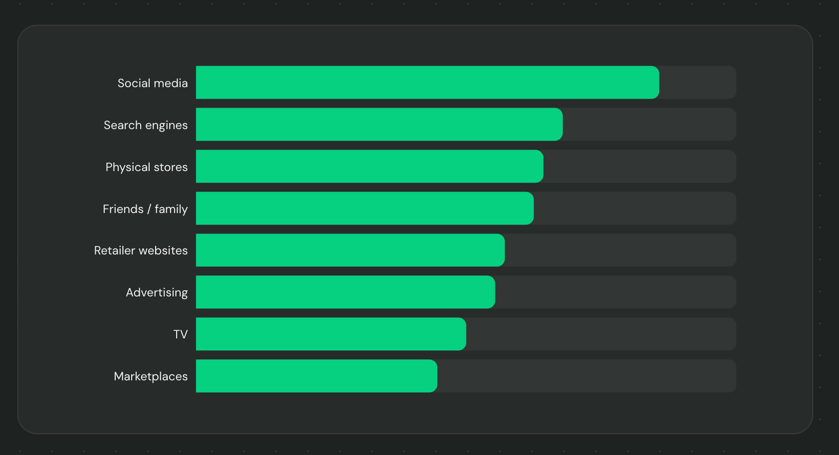
48% of consumers discover new products on social media, but only 6% prefer to complete the purchase there.
Takeaway: Discovery and conversion are now different jobs. ESW’s survey of 23,251 consumers across 18 markets shows that attention can move quickly while payment trust remains concentrated in familiar buying environments.
Use this in a meeting: “We shouldn’t treat discovery reach as proof that customers trust the path to purchase.”
Source: ESW Signals 2026
DCX Case Study of the Week
Qualia Cut Onboarding Time While Expanding Capacity
CX Challenge: Qualia’s high-touch, one-to-one onboarding model was creating capacity bottlenecks. Some customers waited up to two weeks for a kickoff call, and the team needed to double capacity within three months.
Action Taken: Qualia used OnRamp to break onboarding into customer-facing tasks, let customers begin immediately, and give specialists visibility into progress. Live calls shifted from basic walkthroughs to coaching and problem solving.
Result: OnRamp’s customer story reports a 53% reduction in time to go live, onboarding completion rising from 92% to 99%, and three times the onboarding scale without added headcount.
Lesson for CX Pros: Self-service works better when it removes waiting and helps employees see where human attention is still needed.
Quote: “Customers shouldn’t be met with friction immediately after they start learning the product.” Brian Thome, Chief Customer Officer, Qualia
Use this in a meeting: “Let’s automate the waiting and status chasing, then spend the human time on coaching and exceptions.”
Have a case study to share? Reply and let me know!
One Last Thing
Customers don’t grade the sophistication of the system.
They notice the store visit they no longer need, the airline handoff that finally makes sense, the payment rule that feels fair, and the technology that helps them finish what they came to do.
That is where operational change becomes customer experience.
Have a great week ahead!

If this edition sparked ideas, share it with a colleague or team member. Let’s grow the DCX community together!
✉️ Join 1,700+ CX leaders who are done feeling like they’re pushing change uphill alone.
Every week, you get human-centered insights, plug-and-play CX frameworks, and AI tools that actually work inside real organizations — so you’re not guessing your way through the next “customer-first” initiative.
Human-centered, commercially-aware, and honest about what it really takes to move the customer curve.
👉 Subscribe today to give yourself one steady, reliable source of support for your strategy — and your sanity.