

Pay For the Fix, Not the Bot
CX teams are getting pushed to prove outcomes, not activity.


Your daily signal on AI and CX — minus the hype.
📌 DCX Stat of the day: Nearly one-third of contact center agents, 31%, say they are likely to leave their current role within the next six months. Verint says the strain is tied to manual work, repetitive tasks, and weak agent experience.
In this issue
→ AI pricing gets more accountable
→ Support metrics get harder to fake
→ Personalization keeps climbing
→ Privacy assumptions look shakier
→ Messaging platforms may get pricier
🔎 Deep dive
The pricing shift matters more than the product launch
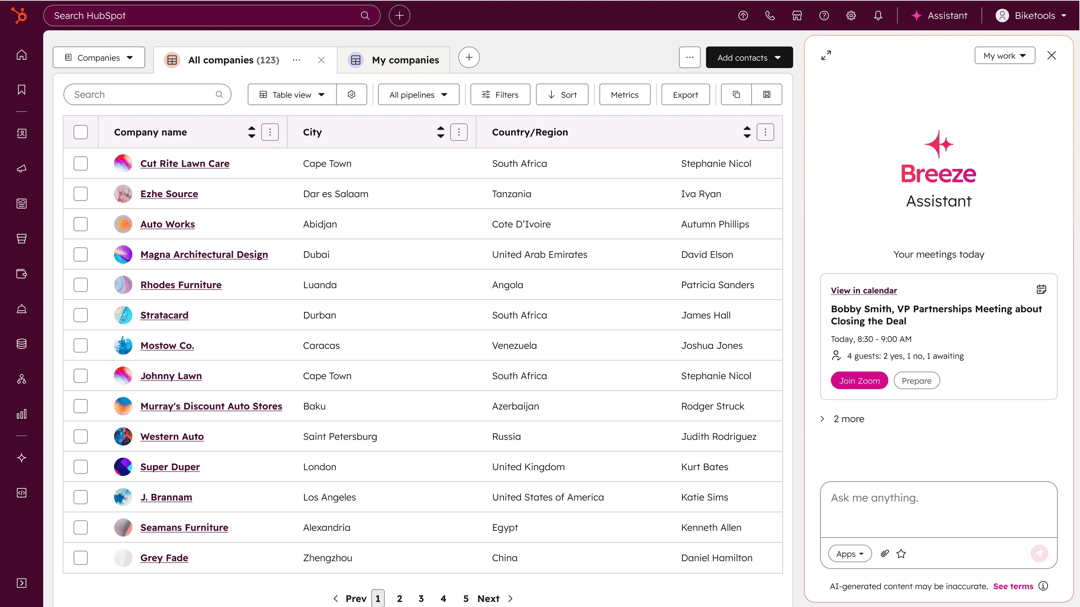
The cleanest signal in today’s news is not a shiny new AI feature. It is the pricing model.
HubSpot said its Breeze Customer Agent moved to outcome-based pricing, charging $0.50 per resolved conversation instead of pricing around conversation volume. It also said Customer Agent resolves about 70% of conversations on average, with some teams reaching 90%.
That matters because per-conversation pricing rewards motion. Per-resolution pricing forces a tougher question: did the customer actually get helped? That will show up first in support, where plenty of teams have been calling containment a win when the customer still leaves annoyed, confused, or back in queue ten minutes later.
The upside is obvious. Vendors now have a stronger reason to care about the finish, not just the interaction. The risk is obvious too. A weak definition of “resolved” can still turn into dashboard fiction. Customers do not care that the case was marked closed. They care that the problem is gone.
📬 Copy-Paste Take:
The next AI CX fight is about proof. Not whether the bot answered. Whether the customer got the job done.
OPERATOR PLAYBOOK
Pressure-test your definition of “resolved”
This is the week to audit one support flow that looks good in a dashboard and shaky in real life.
Check four things. First, does “resolved” mean the customer confirmed the answer, or just that the chat ended? Second, can the bot complete the task, or does it just explain policy in a friendly voice? Third, when a human takes over, does the context come with it? Fourth, are refunds, disputes, damaged orders, and edge cases being measured separately from easy FAQ traffic?
Then ask one uncomfortable question: if you stripped out the easy contacts, would your automation story still sound as good?
Ask your team: Which high-volume flow looks efficient but still creates repeat contacts?
Signal: The cheap part of AI support was answering questions. The expensive part is owning the outcome.
📈 Market Reality Check
Agent experience is becoming a CX risk, not just an HR problem

Verint’s new agent experience report makes the point pretty clearly. Agent frustration is not some side issue sitting off to the left of customer experience. It is starting to look like a direct operating risk. Verint says 31% of agents surveyed are likely to leave within six months, 94% expect AI to change their roles within three years, and 61% expect that work to become more complex and technical.
The part I would pay attention to is this: in 45% of calls, agents spend an average of three minutes searching for answers. That is not just wasted labor. That is slower service, shakier confidence, rougher handoffs, and more customer patience burned for no good reason.
The market signal here is simple. If companies keep talking about AI while leaving agents stuck in clunky workflows, they are going to get the worst of both worlds: higher attrition and weaker CX.
Bad agent experience + more complex work = customer pain shows up next
🧰 Tool Worth Knowing
Intercom Fin Procedures
What it does: Intercom is pushing Fin further into complex support work with Procedures, aimed at queries that are a small share of the queue but eat a disproportionate share of team time.
CX use case: Think refunds, account investigations, damaged orders, policy exceptions, or any case where a canned answer is not enough, and the handoff quality decides whether the customer stays calm or spirals.
Worth watching because: A lot of support AI still looks best on simple requests. This move goes after the ugly middle, where service memory is made. It is still a vendor claim, so treat it like one until you see your own repeat-contact and failure-rate data.
Bottom line: Support for AI gets more useful when it can handle processes, not just language.
⚡ 90-Second CX Radar
Tesco leans harder into AI personalization
Tesco expanded its partnership with Adobe to use AI and agentic AI capabilities with Clubcard data to better interpret customer needs and deliver more personalized experiences. Clubcard serves more than 24 million UK households. This is loyalty data turning into operating infrastructure, not just a marketing asset.
Lawyers are warning people that AI chats are not private
U.S. lawyers are warning clients not to treat chatbot conversations like confidential advice after a federal judge ruled certain Claude-generated materials were not protected by attorney-client privilege. For CX leaders, that raises the pressure on disclosure, retention, and how clearly companies explain what happens to customer conversations with AI.
Meta’s WhatsApp AI fee is running into EU pushback
The European Commission intends to force Meta to roll back a fee for rival AI assistants on WhatsApp while an antitrust probe continues. That matters because messaging channels may become gatekeepers with pricing power, which changes the economics of customer access fast.
🧭 Your Move
Pick one AI-enabled support flow and review it with fresh eyes. Not from the bot log. From the customer’s side. Look at repeat contacts, messy handoffs, and whether the task actually got finished.
AI in CX is getting more serious now. Good. That usually means the easy stories are over.
The question is getting simpler: did the customer get the outcome?
Until tomorrow,

👥 Share This Issue
Think of one person who’s wrestling with AI in CX right now
and forward this to them.
I’m obsessed with Wispr Flow Pro! Get a Free Month on me.

If someone forwarded this to you, they thought you needed to see it before your next AI planning meeting. Get your own copy.