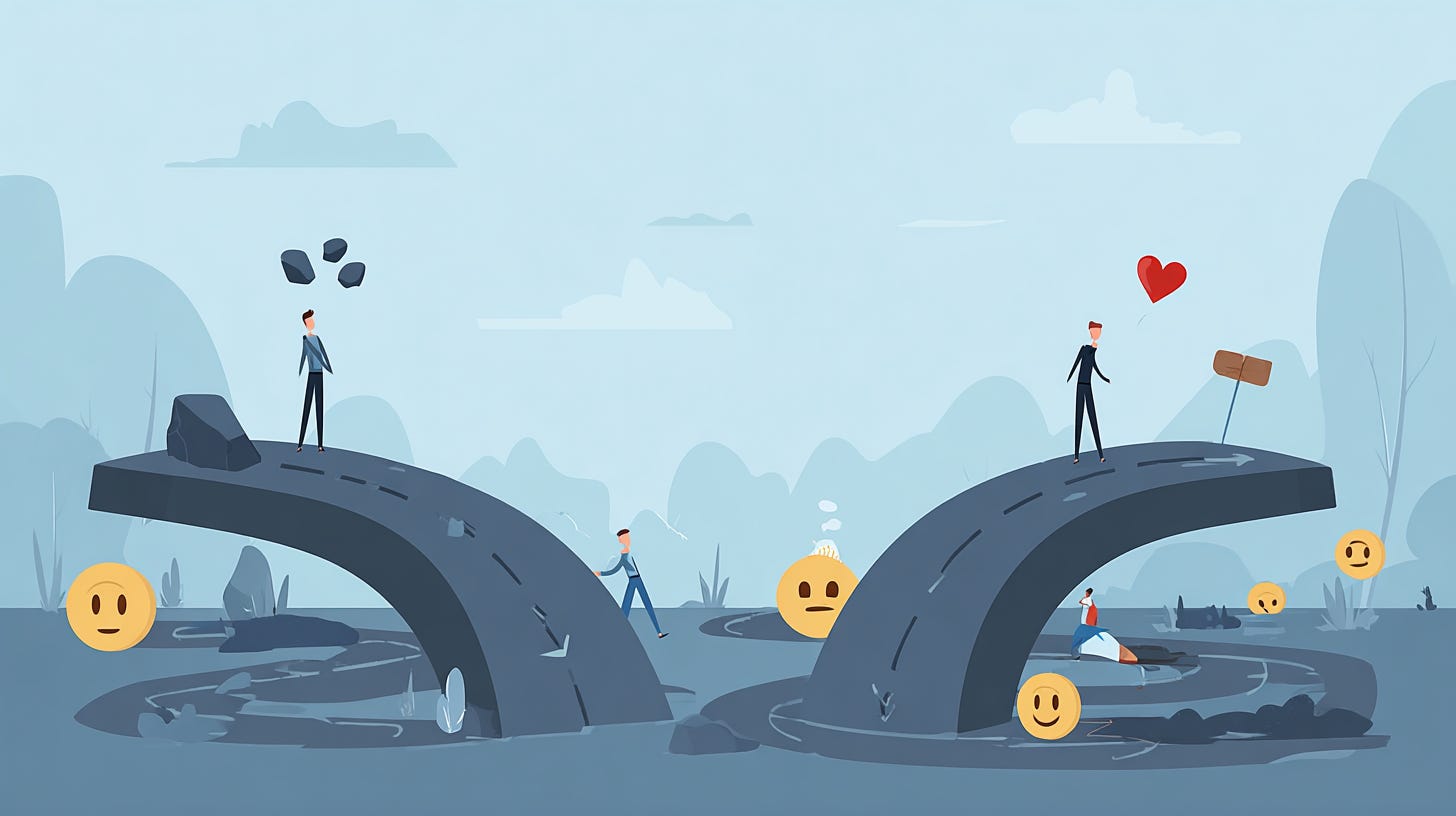
If you’ve been around CX long enough, you’ve heard the mantra:
“Remove friction at all costs.”
On the surface, it makes sense.
Customers don’t want to struggle, wait, or get trapped in endless service loops.
So CX leaders declare war on friction, investing millions to make things faster, smoother, simpler.
But, effortless experiences aren’t always the endgame. Sometimes, effort is exactly what makes an experience memorable—and worth repeating.
Why the “Frictionless Myth” Took Hold
The idea spread quickly because nobody likes pain points.
We’ve all endured call-center hold music, endless online forms, or apps that ask for the same data three times. Removing that kind of friction is table stakes.
But then CX leaders went further. They didn’t just remove bad friction—they removed all friction.
That’s the trap.
Because ease alone doesn’t build attachment. Ease is forgettable.
The IKEA Effect: Why Effort Creates Value

The IKEA Effect: Why Effort Creates Value
Behavioral science backs this up.
Researchers Dan Ariely, Michael Norton, and Daniel Mochon discovered the IKEA Effect: when people build something themselves, they value it more.
Even if it’s lopsided. Even if it took longer. Even if it’s worse than the preassembled version.
The effort creates ownership. The struggle creates pride.
Think about your favorite meal: is it the one handed to you instantly, or the one you cooked yourself and got just right?
Meaningful effort builds emotional connection.
Intentional Effort Creates Commitment

When you optimize everything for frictionless, you risk stripping away the moments that make customers feel invested.
Learning a new skill takes effort. That’s why mastery feels rewarding.
Earning elite status takes effort. That’s why it feels prestigious.
Customizing a product takes effort. That’s why it feels personal.
Not all effort is bad.
Unnecessary effort frustrates. Intentional effort engages.
Why Over-Optimizing Ease Makes Brands Forgettable
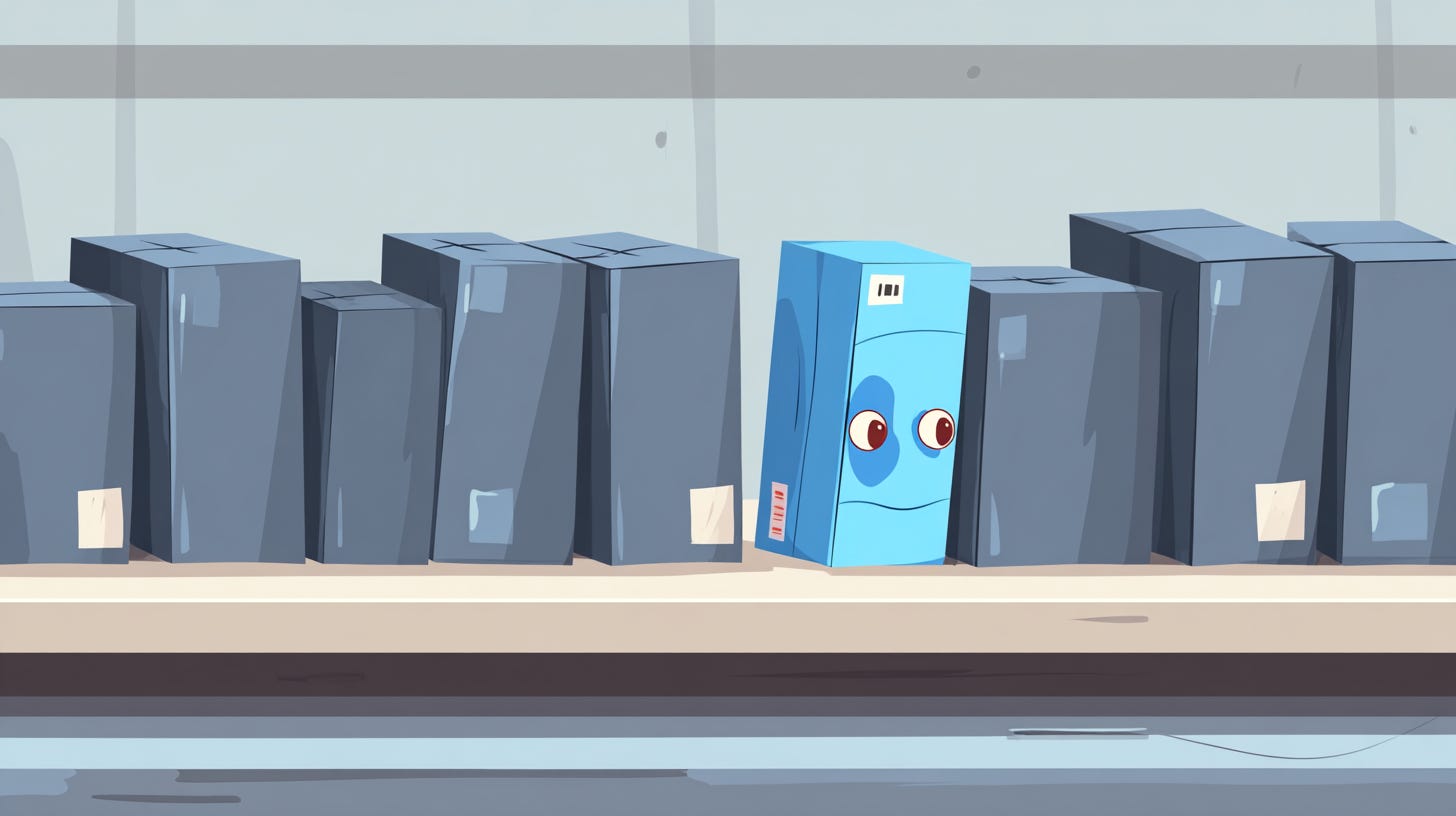
Here’s the paradox:
If you make something too easy, customers stop noticing.
If you invite the right kind of effort, customers become invested.
Take Apple. Setting up a new device requires time—transferring data, configuring settings, personalizing. That effort builds attachment.
Or Peloton. You don’t fall in love with it because it’s effortless. You love it because you sweat, push, and hit milestones. The effort is the experience.
Brands that erase all friction risk becoming invisible utilities. Efficient, but uninspiring.
How to Design for Meaningful Effort