

The Buy Journey Just Got a New Gatekeeper
Discovery, buying, and trust are starting to collide in the same layer


Your daily signal on AI and CX — minus the hype.
📌 DCX Stat of the day: 51% of U.S. shoppers say they would be open to AI handling the entire shopping process, including making the final purchase. Ayden
In this issue:
→ Starbucks shifts AI into discovery
→ Trust becomes the real commerce test
→ Drive-thru AI keeps moving forward
→ Stellantis goes bigger on AI
→ Walmart tightens the care journey
🔎 Deep dive
Starbucks is testing more than a feature
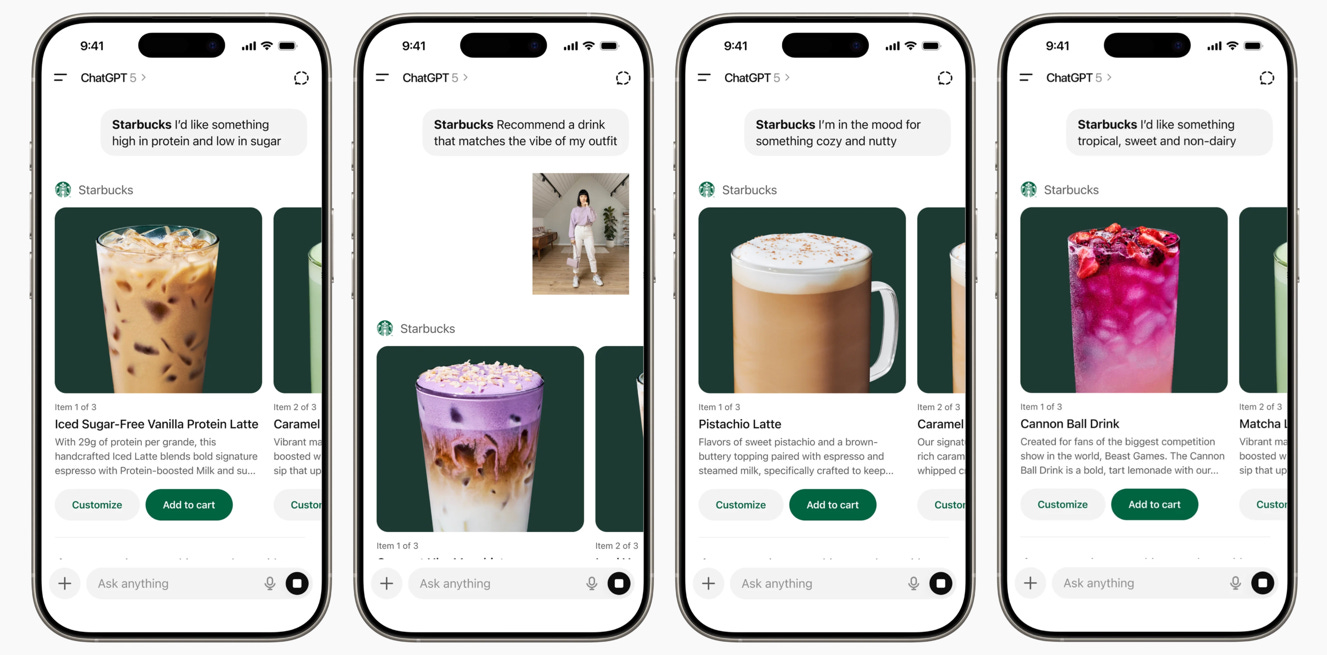
Starbucks launched a beta app inside ChatGPT that helps people discover a drink, customize it, choose a store, and move into Starbucks checkout. That sounds like a nice convenience play. It is more important than that. Starbucks just moved AI into the part of the journey where intent gets shaped, before the customer ever hits the menu wall or starts hunting through filters.
That is the shift. Most AI in CX has lived downstream, cleaning up friction after the customer is already confused or annoyed. This puts AI upstream, in the moment where preference gets formed. The customer upside is clear: less searching, less menu fatigue, faster movement from curiosity to purchase. The business upside is clear too: better guided discovery and a shorter path to checkout.
The hard part is what happens next. Once another layer starts shaping choice, the handoff becomes the experience. If recommendations do not carry cleanly into checkout, loyalty, inventory, pricing, and recovery, the whole thing starts to feel flimsy. A smart front end will not save a messy journey.
📬 Copy-Paste Take:
AI is moving into the part of the journey where customers decide what to buy, not just where they complain after something breaks. That makes the handoff from discovery to checkout to recovery a real CX priority.
OPERATOR PLAYBOOK
Pressure-test the handoff, not the demo
If AI is helping customers browse, configure, or order, do not spend all your energy on whether the assistant sounds smart. Inspect the seams.
Audit every AI-assisted flow for four things:
Can the customer move from recommendation to checkout without redoing work?
Do preferences and customizations carry through cleanly?
Do loyalty, payment, inventory, and service rules still hold up when the journey starts outside your app?
When something breaks, does recovery stay simple or does the customer get bounced around?
Then run one ugly test on purpose. Break the path. Try an out-of-stock item, a bad substitution, a broken promo, or the wrong store. That will tell you more than ten polished demos ever will.
Ask your team: Where does the customer get punished for trusting the AI?
Signal: The next CX miss is going to come from a broken handoff wearing a smart interface.
📈 Market Reality Check
Agentic commerce is already running into the trust question
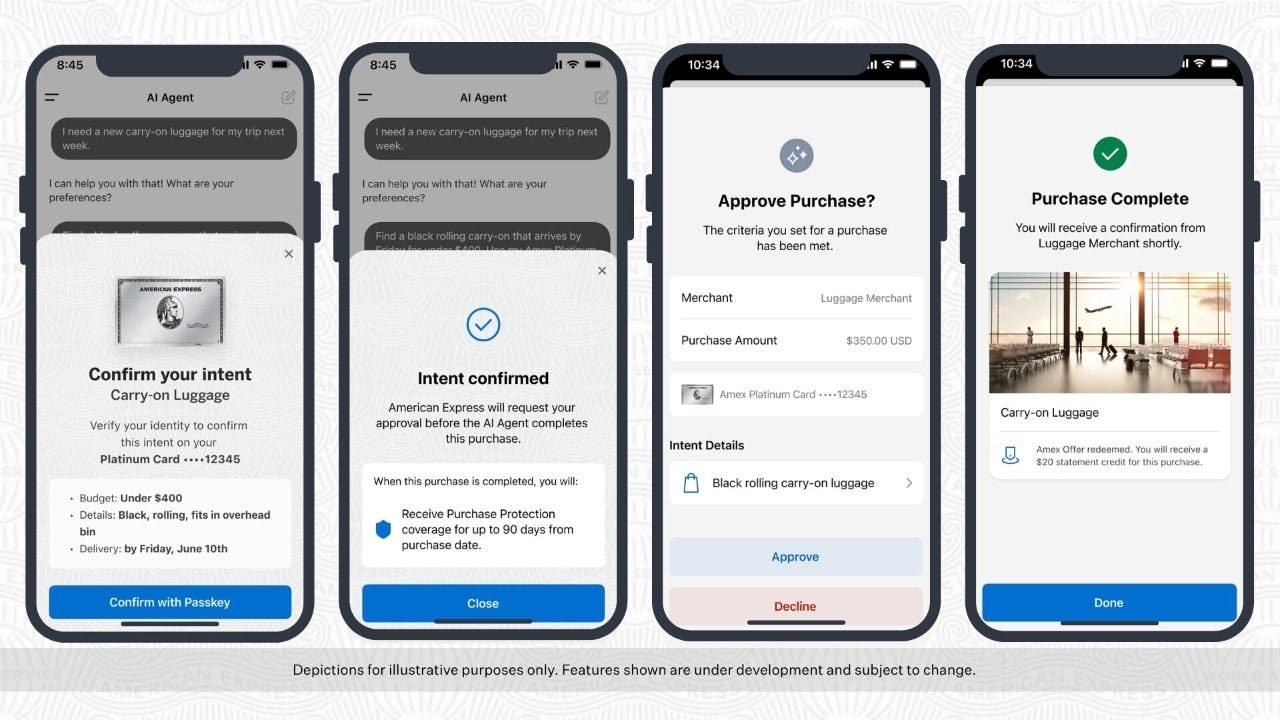
American Express launched its ACE developer kit for agentic commerce and paired it with protections for registered agent purchases. That is the useful tell. The market is already moving past the novelty phase and into the harder question: what happens when an AI agent is allowed to act on behalf of a customer in a real transaction?
This is where AI and CX really meet. The moment an agent can browse, decide, and buy, customer experience stops being only about convenience. It becomes about confidence, control, accountability, and what recovery looks like when the machine gets it wrong. The smart move is not just enabling the transaction. It is building the trust layer at the same time.
More autonomous buying + weak protections = trust collapse
🧰 Tool Worth Knowing
Presto Voice AI

What it does: Presto powers voice AI for drive-thrus. Dairy Queen tested it in corporate stores and is now expanding the pilot to select franchisees.
CX use case: High-volume ordering environments where speed matters, repetition matters, and getting the order right matters more than sounding clever.
Worth watching because: This is a clean signal of where practical AI adoption is heading. Not toward novelty. Toward bottlenecks.
Bottom line: Voice AI is getting promoted from experiment to operating layer.
⚡ 90-Second CX Radar
Stellantis and Microsoft are pushing AI deeper into customer care, sales, and operations
The headline here is scale. The companies said they are working across more than 100 AI initiatives, including customer care and sales. That is what it looks like when AI stops being a side project and starts becoming operating infrastructure.
Walmart is folding AI support into a broader health journey
Walmart expanded its Better Care Services offer and added Curai Health’s GLP-1 AI agent for customers exploring or using GLP-1 medications. The interesting part is not the tool itself. It is the journey design. Care, pharmacy, nutrition, and support are being tied together instead of handed to the customer as separate chores.
Adyen says AI shopping assistant use has jumped from 12% to 35% in a year
That is a sharp reminder that this is moving faster on the customer side than many companies assume. People are already experimenting with AI in commerce. The gap now is whether the trust, payment, and recovery design is ready for them.
🧭 Your Move
Take one journey where AI now shows up before purchase. Map the handoff into checkout. Then map the recovery path when something goes wrong. That is where the weak spots usually are.
Most companies do not have a model problem. They have a journey ownership problem. AI is getting closer to the customer’s first decision. That raises the stakes for everything that happens after it.
A smart front door means nothing if the hallway is a mess.
Until Monday,

👥 Share This Issue
Think of one person who’s wrestling with AI in CX right now
and forward this to them.
I’m obsessed with Wispr Flow Pro! Get a Free Month on me.

If someone forwarded this to you, they thought you needed to see it before your next AI planning meeting. Get your own copy.