

AI Pricing Just Moved Into the CX Operating Model
Plus: When vendors charge by usage instead of seats, every automated interaction needs a clearer business reason.


Your daily signal on AI and CX — minus the hype.
📌 DCX Stat of the day: One EngageLab customer says they recovered cross-time-zone leads covered 37.5% of total system investment in the first week. Aurora Mobile
In this issue:
→ AI usage pricing changes CX math
→ Response speed is now a revenue issue
→ Payments teams expect agentic buying
→ Conversational sales gets more specific
→ Trust still depends on human design
🔎 Deep dive
Target’s AI pricing rethink is a warning for every CX team

Target India is pushing deeper into AI while reassessing deployment as providers shift from subscriptions to usage-based pricing. That matters for CX because the cost of AI is no longer a background software line. It is moving closer to the interaction itself.
This changes the operating question. CX leaders now have to decide which moments deserve live AI spend, which ones can run on cheaper automation, and where a human fallback protects more value than another model call. That shows up first in high-volume journeys like product discovery, service triage, and internal assist.
The hidden risk is lazy scale. When AI feels cheap, companies spray it everywhere. When usage pricing lands, they discover they never defined which interactions create margin, reduce effort, or improve recovery. That is not a model problem. That is an operating discipline problem.
📬 Copy-Paste Take
The next AI budget fight in CX will not be about whether to use AI. It will be about which customer moments are worth paying for every single time they happen.
OPERATOR PLAYBOOK
Price the journey before you automate more of it
Pick one AI-assisted journey with real interaction volume and work backward from the business value of the outcome instead of the novelty of the model.
Audit every usage-priced AI journey for four things:
Which customer outcome justifies the interaction cost.
Where lower-cost rules or templates can do the same job.
When the workflow should hand off before more AI spend adds little value.
Who tracks cost, recovery, and customer effort together.
Then test whether the journey is cheaper because it is better, or just cheaper because costs are still hiding in another budget.
Ask your team: Which AI interactions would we still pay for if every call, prompt, and handoff hit the same P&L line?
Signal: If nobody can name the most valuable AI moments in the journey, the scale plan is ahead of the operating model.
📈 Market Reality Check
Payments leaders are treating AI agents as real buying actors

PYMNTS says that payments executives now describe AI assistants moving from advisers to purchasing agents, making the payments layer the point where intent turns into action. That is a real business signal. Once AI influences checkout, approvals, or payment choice, CX, fraud, and payments teams stop being adjacent functions.
This does not prove consumers are ready to let agents buy freely on their behalf. It does show where enterprise attention is going: trust, speed, and transaction controls now sit inside the customer journey, not after it.
AI intent + payment authority = CX and risk on the same line.
🧰 Tool Worth Knowing
EngageLab Conversational Sales
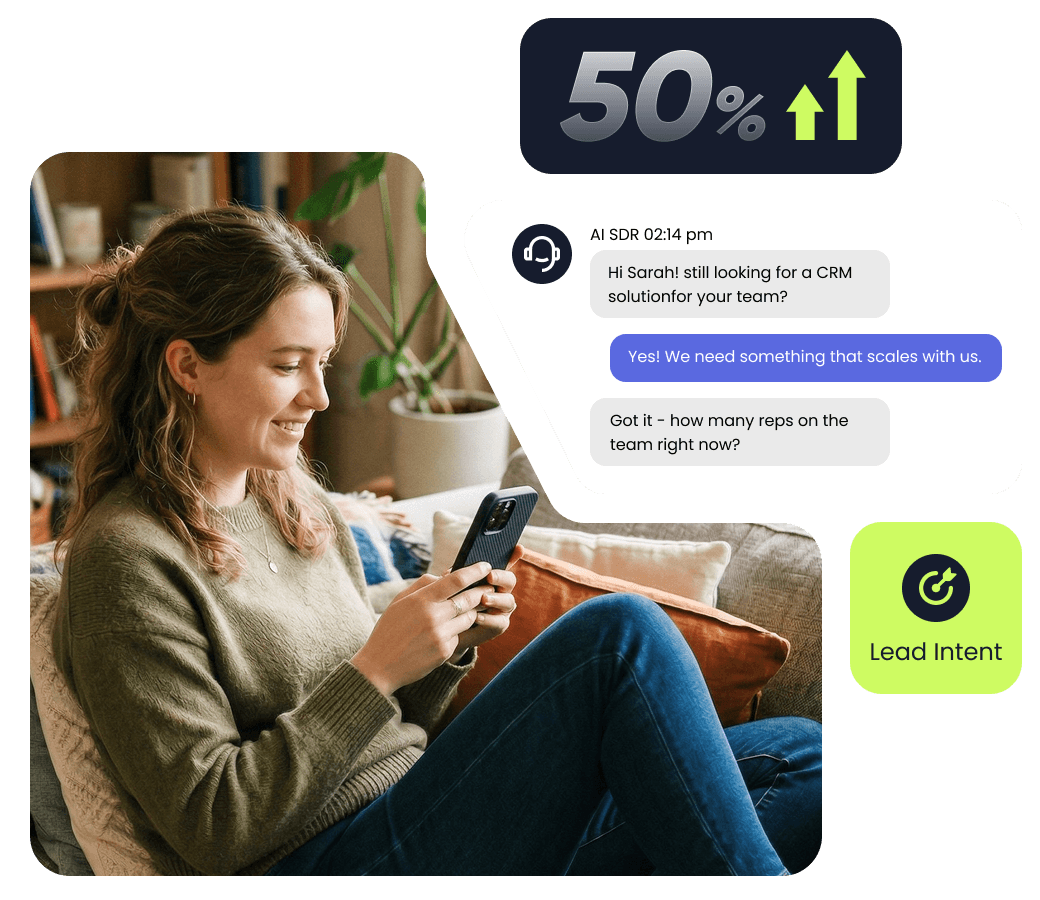
What it does: Aurora Mobile launched EngageLab Conversational Sales as an AI-assisted sales and engagement workflow that combines omnichannel intake, lead qualification, and fast handoff to human reps.
CX use case: Useful for teams that lose high-intent inbound demand because nobody responds in the channel or time window the customer expects. The workflow is aimed at web, app, and messaging interactions where delay kills conversion before a human even joins.
Worth watching because: The product is not just another bot pitch. It makes a more specific claim: if response speed is now expected inside one minute, teams need a cleaner AI-to-human relay and a pricing model that does not punish scale through idle-seat licenses.
Bottom line: Aurora shared one customer result, not broad benchmark data, so treat the performance claim as directional. The useful idea is the design pattern: qualify fast, transfer context cleanly, and use humans where they earn their keep.
Check out more tools in the DCX AI Today - AI Tool Directory - If you lead a CX team and want a curated shortlist of tools worth evaluating, this is your starting point.
⚡ 90-Second CX Radar
Forbes argues AI is turning customer feedback into a real-time operating input
The useful takeaway is not the AI layer by itself. It is the shift from post-interaction surveys to always-on feedback capture that can actually change the next customer experience, not just describe the last one.
CIO makes the case that trust and relationships are now core AI transformation infrastructure
That matters for CX because AI projects now cut across service, digital, payments, merchandising, operations, and risk. If ownership and trust are weak, the customer will feel the seams long before leadership sees the dashboard.
🧭 Your Move
Review one AI journey this week with finance, CX, and operations in the same room. Decide which interactions deserve premium intelligence, which ones need simpler automation, and where human recovery matters more than another layer of AI.
The winners here will be the ones that know where AI creates measurable customer value and where it simply creates a more expensive version of ambiguity.
If AI cost is becoming variable, CX design has to become more intentional.
Until tomorrow,

👥 Share This Issue
Think of one person who’s wrestling with AI in CX right now
and forward this to them.
I’m obsessed with Wispr Flow Pro! Get a Free Month on me.

If someone forwarded this to you, they thought you needed to see it before your next AI planning meeting. Get your own copy.