

Customers Shouldn't Be Your QA Team
A pharmacy rollback reminds us that a clean demo isn't the same thing as a customer getting what they came for.


Your daily signal on AI and CX — minus the hype.
DCX Stat of the day: A review found only 26 peer-reviewed studies of AI in rural healthcare from 2010 through April 2025, with few examining implementation or patient outcomes. KFF Health News
IN THIS ISSUE
A missing refill turns an AI rollout into a rollback
Rural health funding is running ahead of the evidence
Patients are already acting on answers from AI
SentioCX makes the human handoff an active decision
Claude’s watermark follows the text when it travels
🔍 DEEP DIVE
A Refill Delay Is a Failed Test
You call the pharmacy to check on a refill. The answer sounds confident. Then the medication isn’t ready, the information doesn’t match, or a refill you didn’t want gets processed. You’re wondering where your medication is.
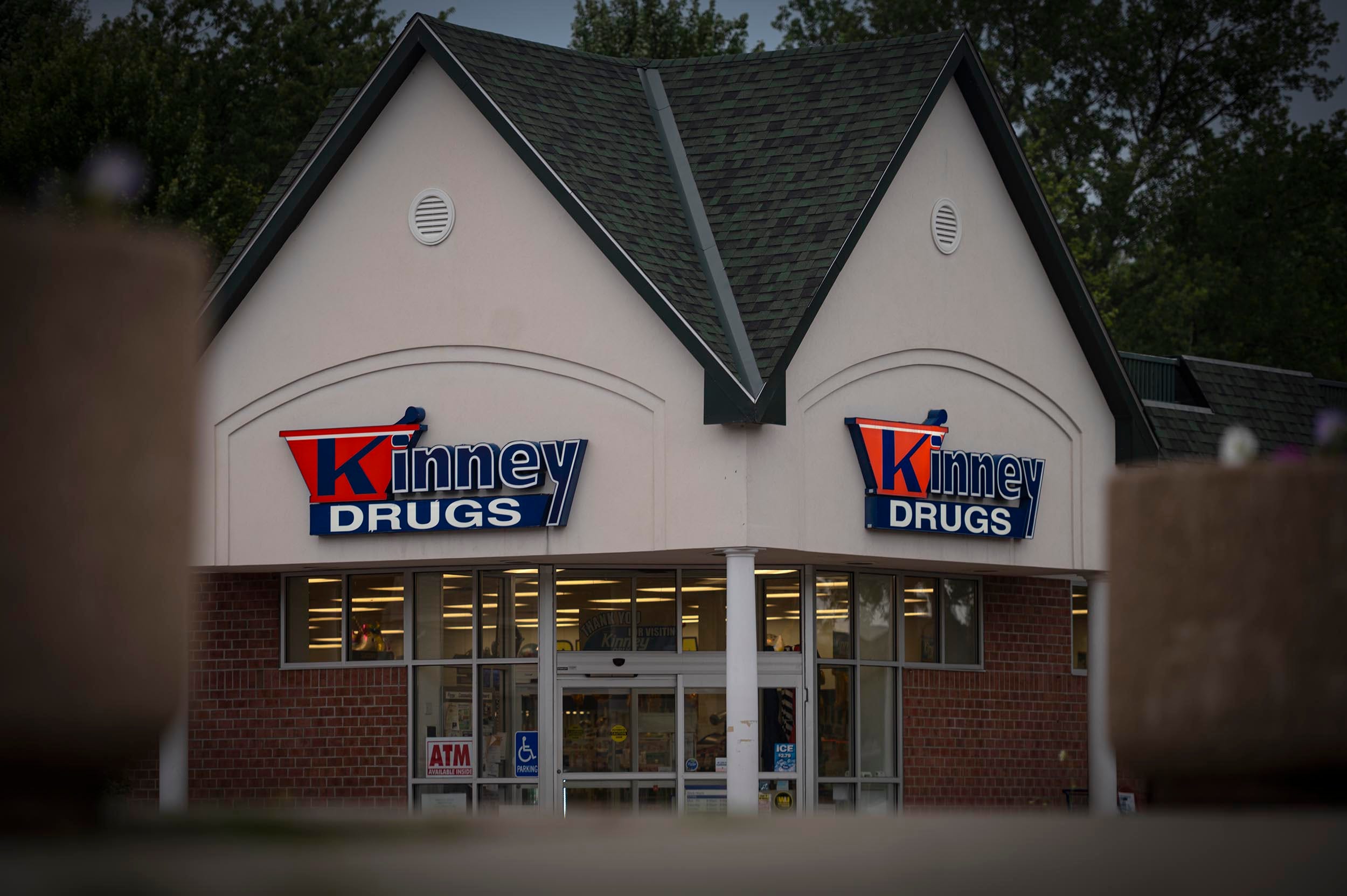
That’s the spot Kinney Drugs found itself in after introducing Burt, its AI pharmacy assistant, in May. Customers reported delays, inaccurate refill information, unwanted refills, confusion, and privacy concerns. Kinney has now moved patient calls back to its previous touch-tone system. Burt still handles refill texts, but customers have to opt in.
This isn’t an argument against AI in pharmacy service. It’s a reminder that the internal win and the customer win can be two different things.
Calls handled and staff time saved may look terrific. Meanwhile, the customer is checking the answer, calling again, or driving to the pharmacy because the automated path no longer feels trustworthy. That extra work is the experience.
We don’t know how many people were affected, and Kinney hasn’t reported any clinical harm. But the operating lesson is clear: decide what happens when accuracy slips, delays grow, complaints cluster, or customers can’t reach a person before you scale.
Bottom Line: If customers are your first reliable QA signal, the quality gate arrived too late.
📬 Copy-Paste Take
Before a customer-facing AI rollout goes live, write down what would make you stop it. Name the customer outcome that matters, the error or complaint pattern that triggers action, the fallback channel, and the person who owns recovery. If the first real rollback plan appears during an emergency meeting, it wasn’t a plan.
🧭 OPERATOR PLAYBOOK
Write the Rollback Before the Rollout
Start with one AI-assisted journey where a wrong answer, missed action, or delay costs the customer something real.
Audit it for four things:
Consent: Does the customer understand the AI path and have a usable alternative?
Outcome: Which customer result must improve, not just which task gets automated?
Stop rule: What error, delay, repeat-contact, or complaint threshold pauses the experience?
Recovery: Who contacts affected customers, corrects the work, and proves the fix held?
Then try the fallback with a real case. Call the number. Start the chat. Hand the work to the person who’s supposed to take over. A backup channel that exists only in a process document isn’t a backup channel.
Ask your team: What would make us reduce, pause, or reverse this rollout before customers have to convince us?
Signal: A team that can stop safely can learn and scale faster.
📊 MARKET REALITY CHECK
Customers Are Already Acting on the Answer

People don’t trust AI more than doctors. In EY’s survey, 89% of U.S. respondents viewed doctors as reliable, compared with 76% for AI tools and search engines.
The interesting number is what happens next. 55% said they had requested, or would consider requesting, a test, treatment, or prescription because of information from AI.
That’s behavior, not an opinion. Someone reads an answer and asks the healthcare system to do something.
Comfort changes with the job. 60% were comfortable using AI to book an appointment. Only 47% were comfortable with AI helping make treatment decisions. Scheduling a visit and deciding what should happen medically aren’t the same leap.
Why it matters: AI doesn’t have to own the final decision to change the journey. Health organizations need to see what the patient does after the answer, then make professional review easy to reach when the stakes go up.
The answer may start with AI. The next safe step still needs a clear owner.
🧰 TOOL WORTH KNOWING
SentioCX ExpertLoop
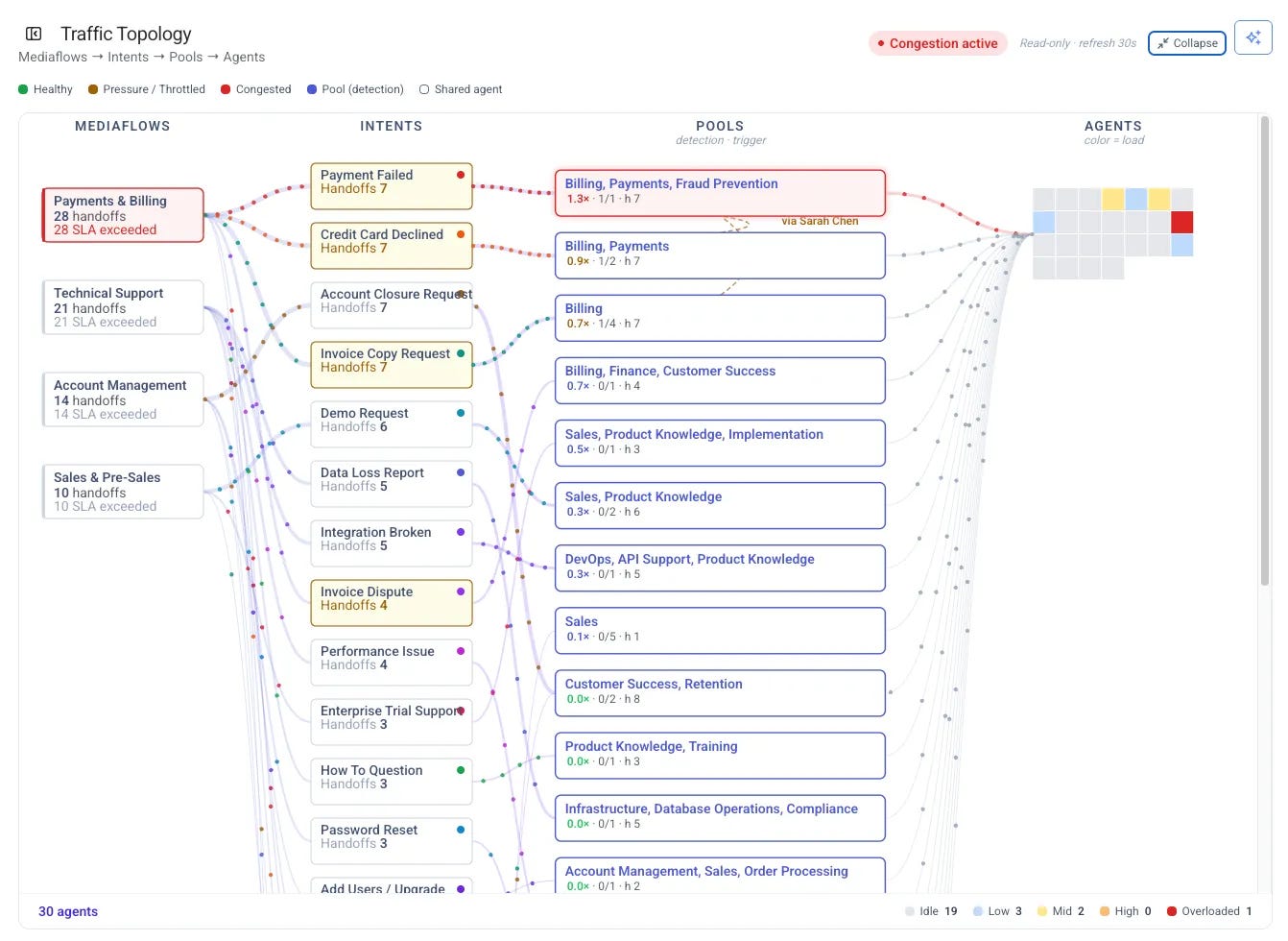
What it does: When an AI agent needs a person, SentioCX’s ExpertLoop doesn’t simply drop the customer into the next available queue. It scores the handoff, finds an authorized expert, and keeps adjusting the priority as sentiment, wait time, and business conditions change.
CX use case: Say a customer is disputing a transaction the AI can’t resolve. ExpertLoop can use the intent, customer context, required authority, and SLA pressure to find the right person while the AI keeps serving the customer. The expert joins with the context instead of asking the customer to start over.
Worth watching because: As AI absorbs the routine work, the cases left for people get harder. SentioCX treats human expertise as a scarce part of the journey that needs active decisioning, not just another queue.
Bottom line: The handoff shouldn’t be where the automation gives up. It should be where the system gets more deliberate.
The DCX AI Today - AI Tool Directory - If you lead a CX team and want a curated shortlist of tools worth evaluating, this is your starting point.
📡 90-SECOND CX RADAR
Claude’s watermark is designed to travel with the text
Anthropic says models released after August 2 will mark generated text at the model level. In other words, the mark is meant to travel when someone copies the text out of Claude and pastes it somewhere else. Files will use the C2PA provenance standard. We still don’t know how much editing the text watermark can survive.
Why it matters: The timing is the tell. The EU AI Act’s Article 50 transparency obligations took effect August 2, and the EU’s voluntary Code of Practice gives providers a route to demonstrate compliance through machine-readable marking. Claude’s watermark is regulation becoming product architecture.
✅ YOUR MOVE
Put a Stop Rule on One Live Journey
Here’s the thread running through today’s issue: launching is easy to see. Knowing whether the customer ended up better off takes work.
That’s especially true when a confident answer can move someone into action.
Before Friday, pick one live AI-assisted journey and write a one-page stop sheet: three customer outcomes, two pause triggers, the fallback path, the notification plan, and the person with authority to act.
Then pull 20 recent interactions. Did the customer finish safely? Come back? Reach a person with the right context?
If the team can’t answer those questions, the rollout isn’t ready to grow yet.
You don’t really have a rollout plan until you know how you’ll stop, recover, and check what happened to the customer.
Until tomorrow,

👥 Share This Issue
Think of one person who’s wrestling with AI in CX right now
and forward this to them.
I’m obsessed with Wispr Flow Pro! Get a Free Month on me.

If someone forwarded this to you, they thought you needed to see it before your next AI planning meeting. Get your own copy.