

Don't Turn Hesitation Into a Decline
Banks watch what happens after login, AI users still Google, and Europe moves the deadline.


Your daily signal on AI and CX — minus the hype.
DCX Stat of the day: 20% of organizations surveyed by ACFE and SAS already use behavioral biometrics in their anti-fraud programs. Another 19% expect to adopt it within two years. ACFE and SAS
In this issue:
→ The customer is real. The payment may not be.
→ A warning has to do more than protect the bank
→ AI search isn’t replacing Google. Customers use both.
→ Adobe follows the journey before the click
→ Europe buys time. Security teams still have work.
🔍 DEEP DIVE
The Customer Passed. The Payment Still Looks Wrong.
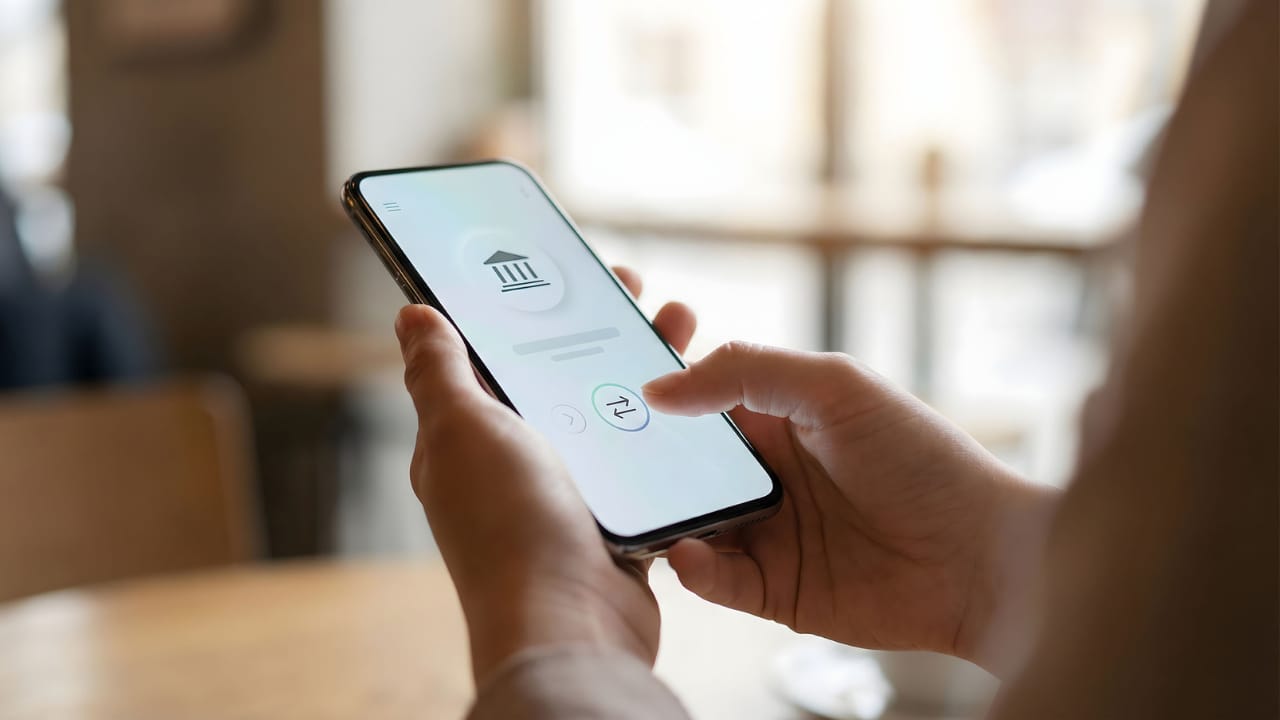
The credentials checked out. The device looked familiar. The customer approved the transfer.
So the payment goes through?
Maybe. The person holding the phone could still be following a scammer’s instructions.
Behavioral biometrics looks at what happens after login: the pauses, swipe patterns, touch pressure, device angle, and other small changes that suggest this session doesn’t feel normal. It is trying to answer a harder question than “Is this the right person?”
Is this person acting freely?
Lloyds Banking Group is testing where payment warnings appear, how they are worded, even their color and prominence. That sounds like a design choice. It isn’t. A warning that arrives too late or reads like legal boilerplate is basically compliance furniture.
But this gets messy fast. A pause might mean coercion. It might also mean distraction, disability, a new device, or a customer who simply needs a minute. Q2 Holdings says an anomaly should lead to human review, not make the decision by itself.
The bank needs more than a risk score. It needs a sensible way to slow the journey down without turning every unusual customer into a suspect.
Bottom Line: Stopping the scam matters. So does helping the legitimate customer finish.
Source: FinTech Futures
📬 Copy-Paste Take
A behavioral flag isn’t a verdict. It’s a reason to slow down and ask a better question. Decide when the bank stays quiet, when the customer sees a warning, when a person steps in, and when the payment really should stop. Then count the legitimate customers you delayed along with the scams you prevented.
🧭 OPERATOR PLAYBOOK
Run the Awkward-Customer Test
Take a payment your system would flag. Now put four perfectly legitimate customers through it:
Someone using a new phone.
Someone distracted by a child or another conversation.
Someone receiving legitimate help.
Someone interacting differently because of an accessibility need.
Watch what happens. Does the warning explain the concern? Can the customer prove the payment is legitimate without starting over? And if they get stuck, does anyone actually own the recovery?
Ask your team: What evidence turns a warning into a decline?
Signal: The fraud model spots the risk. The customer experience is what happens next.
📊 MARKET REALITY CHECK
AI Was Supposed to Eat Search. Customers Didn’t Get the Memo.
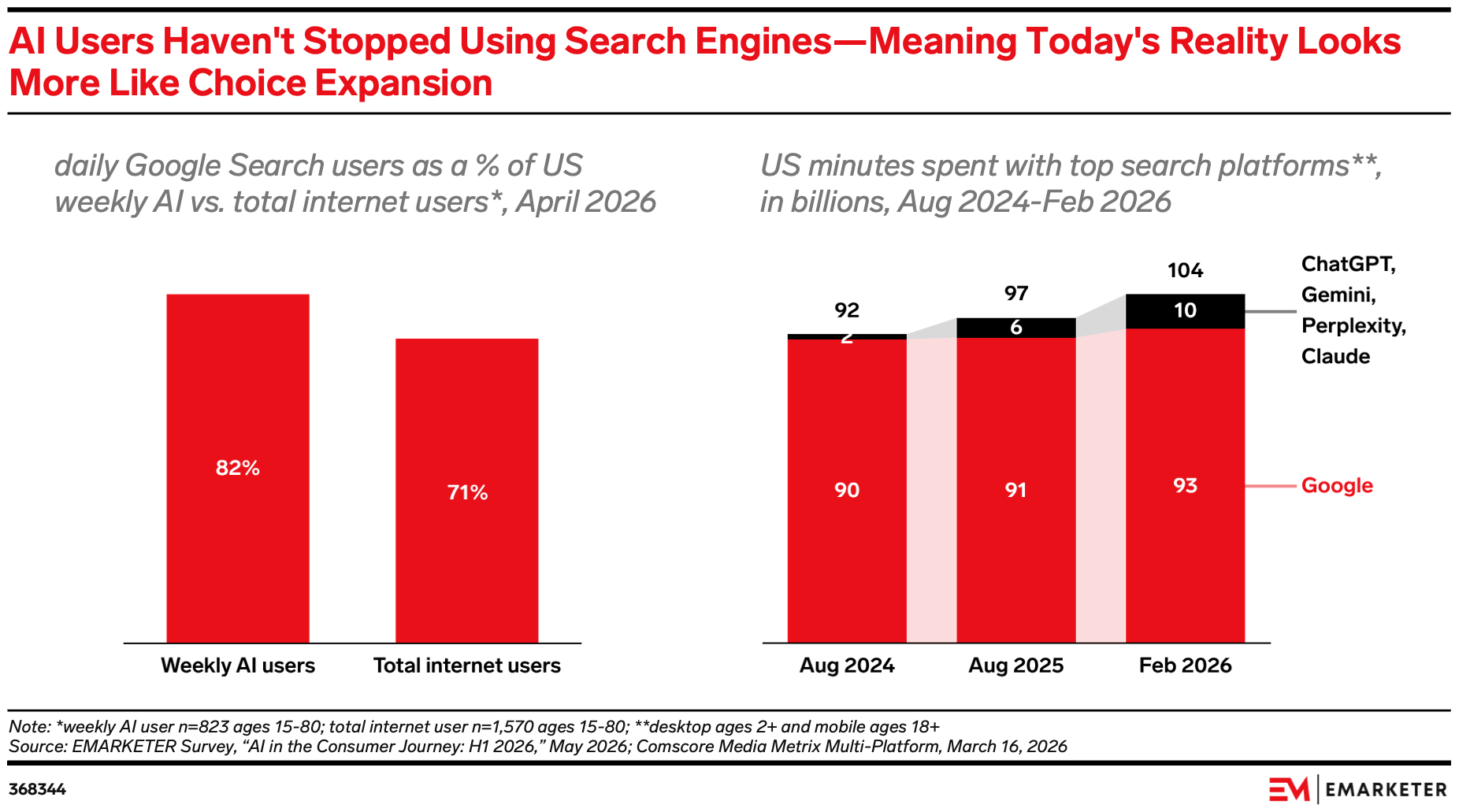
EMARKETER found that 82% of weekly AI users still use Google Search every day, compared with 71% of all U.S. internet users.
That doesn’t mean AI causes heavier search use. It does kill the neat little story that one channel is replacing the other.
Customers are bouncing between them. Ask AI for an answer. Check Google for options. Visit the brand to see if any of it is true. Sometimes they do it in the opposite order.
Why it matters: Your product facts, policies, pricing, availability, and recovery instructions need to agree wherever the customer looks. If AI says one thing, search says another, and your site says a third, the customer gets the cleanup job.
AI answer + Google check + brand visit = one messy customer journey
🧰 TOOL WORTH KNOWING
See What AI Said Before the Customer Arrives
What it does: Adobe LLM Optimizer shows where a brand appears in AI answers, what gets cited, how the brand is described, and whether that visibility sends anyone to the site.
CX use case: A customer finds your product through an AI answer, checks a few alternatives, then lands on your site. Your team can see what the assistant said, which source it used, and whether the visit led anywhere useful.
Worth watching because: A lot of AI-search tools stop at “your brand was mentioned.” Nice chart. Limited help. Adobe is trying to connect that mention to the customer’s next move while flagging wrong answers and missing content along the way.
Bottom line: If AI shapes the expectation, CX needs to see what happened before the click.
The DCX AI Today - AI Tool Directory - For the definitive curated shortlist of tools worth evaluating, this is your starting point.
📡 90-SECOND CX RADAR
Europe just moved the AI deadlines
The EU AI Omnibus entered into force July 27. High-risk AI rules now start December 2, 2027, with more time for AI built into physical products. It also drops a standardized post-market monitoring plan.
Why it matters: If your AI plan depended on one date sitting in a slide deck, change the slide. Don’t dismantle the testing, ownership, or recovery work customers still need.
AI security builders organize around the whole stack
NVIDIA and industry partners launched the Open Secure AI Alliance to share security tools for AI and agents. The work covers identity, permissions, guardrails, logs, evaluations, and the model itself.
Why it matters: The model can behave perfectly and the agent can still have too much authority. Security has to follow the whole customer task, including what the agent can access, change, and approve.
✅ YOUR MOVE
Find one AI-driven journey where a risk score can stop a real customer.
Sit down with Fraud, Service, and Accessibility. Run the awkward cases, not the clean demo. Then ask three questions: What will the customer see? Who can step in? How do they finish without starting over?
If the only choices are “allow” and “decline,” you’re not done.
A strange signal deserves a closer look, not an automatic guilty verdict.
Until tomorrow,

👥 Share This Issue
Think of one person who’s wrestling with AI in CX right now
and forward this to them.
I’m obsessed with Wispr Flow Pro! Get a Free Month on me.

If someone forwarded this to you, they thought you needed to see it before your next AI planning meeting. Get your own copy.