

Put Judgment on the Hiring Plan
HSBC hires AI builders and wealth advisers together, DBS measures whether banking chat finishes the job, and Ada puts bot behavior under change control.


Your daily signal on AI and CX — minus the hype.
DCX Stat of the day: Only 24% of surveyed business travelers described their travel experience as seamless and low effort. Source: Amex GBT
In this issue:
HSBC hires for code and customer judgment
Travel tech still makes travelers do the stitching
DBS measures resolution beside satisfaction
Ada turns bot rules into managed releases
Hospital logistics and licensed answers hit Radar
🔍 DEEP DIVE
Two Hundred Hires, One Operating Choice

That hiring mix is interesting.
The AI center will recruit people across natural language processing, data science, governance, and human-centered design. Its first work includes personalized wealth conversations, agentic treasury, and AI-enabled payments. At the same time, HSBC is adding relationship managers for customers whose decisions carry complexity, risk, and real money.
That is an operating choice. Speed and analysis can move to the machine. Context, challenge, judgment, and accountability still need a person customers can trust. The hard part is designing the handoff so the adviser receives the reasoning, customer history, and unresolved question instead of starting the conversation from scratch.
The hiring plan does not prove the experience will work. It does show what HSBC believes the service model requires.
Bottom Line: AI capacity without relationship capacity can make service faster and thinner. Build both, then measure whether customers get better decisions and cleaner handoffs.
📬 Copy-Paste Take
If AI is taking on more analysis and action, the human role needs a deliberate upgrade. Define where judgment begins, what context crosses the handoff, and which customer outcomes prove the new staffing model works.
🧭 OPERATOR PLAYBOOK
Audit the Pair, Not the Bot
Pick one customer journey where AI and a person are meant to work together.
Audit the operating model for four things:
Work shift: Which task genuinely moves to AI?
Judgment line: Which decision still belongs to a person?
Context handoff: What must arrive with the customer?
Shared measure: Which customer and business outcomes move together?
Then run a hard case through both sides of the model. A policy exception. A nervous customer. Conflicting data. A decision worth challenging.
Ask your team: Did we redesign the human role, or just leave a person waiting behind the automation?
Signal: The staffing mix should match the moments where speed helps and judgment protects the relationship.
📊 MARKET REALITY CHECK
Measure the Chat After the Answer
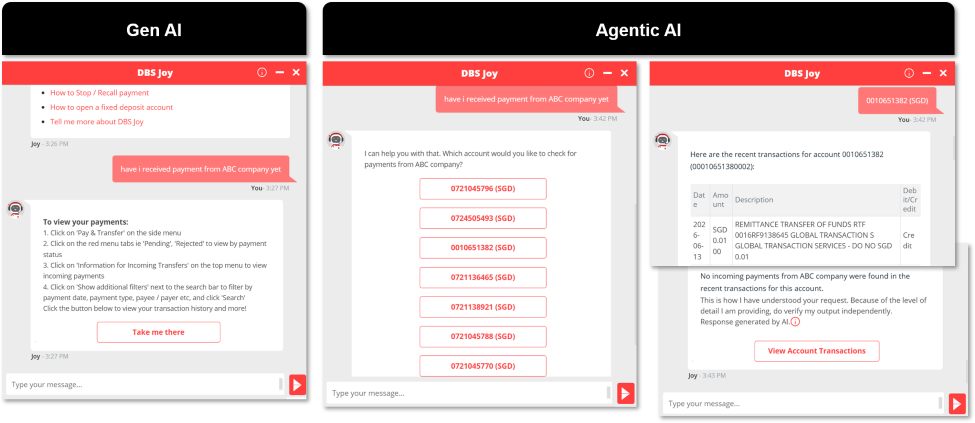
DBS says customer satisfaction for its Joy assistant rose 17% in Singapore during the first half of 2026, while calls or emails to customer service fell 7%. Its retail digibot resolved nine in ten queries digitally without a follow-up call.
That combination is the useful part.
Most chatbot reports stop at containment. DBS is at least putting customer satisfaction beside channel reduction and resolution. That gives operators a better question than, “How many contacts did the bot keep away from an agent?”
DBS still leaves some important blanks. It doesn’t publish the satisfaction scale, query mix, or how long it waited before counting a follow-up call. These are company-reported numbers, not an independent audit.
Why it matters: Deflection tells you work stayed out of the contact center. It doesn’t tell you whether the customer got what they came for. When satisfaction rises and repeat demand falls, the customer and the operating model may both be better off.
If customers are happier and fewer need to come back, the bot may actually be doing its job.
🧰 TOOL WORTH KNOWING
Ada
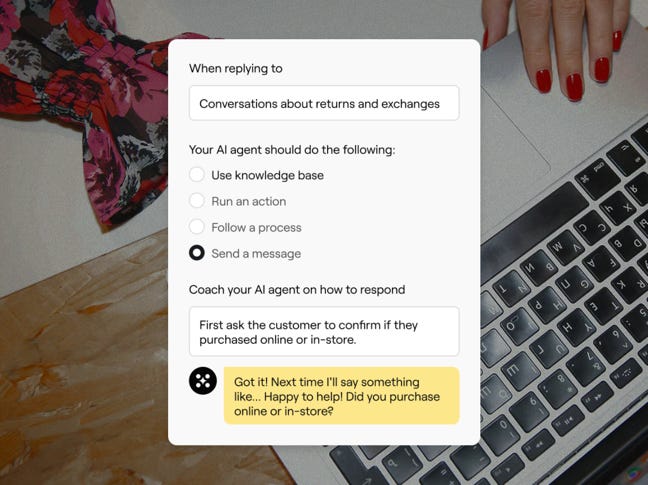
What it does: Ada is an AI customer-service platform built to resolve conversations across messaging, voice, and email. Its new Custom Instructions API gives teams a programmatic way to manage the system rules that shape how the AI agent responds and acts.
CX use case: Put tone, policy, promotion, and customer-specific rules through review, testing, staged activation, and rollback instead of changing them ad hoc in a live bot.
Worth watching because: Ada connects the customer-facing conversation to enterprise workflows across channels. The control layer matters because one instruction change can affect thousands of interactions.
Bottom line: If a rule can change what the customer hears or what the agent does, treat it like a production release.
The DCX AI Today - AI Tool Directory - If you lead a CX team and want a curated shortlist of tools worth evaluating, this is your starting point.
📡 90-SECOND CX RADAR
The Patient Journey Has a Backstage
Deliverz.ai is coordinating robots and human transporters across hospital doors, elevators, clinical systems, and delivery routes. Its latest release says chemotherapy delivery between Sheba Medical Center’s pharmacy and oncology units fell by more than half.
Why it matters: Patients feel internal logistics as waiting. The next CX metric may live in the hallway between departments, with a named owner for the exception when the physical workflow stalls.
✅ YOUR MOVE
AI is getting more capable. The service model around it now has to get more deliberate.
Customers will judge the combined experience: the machine’s speed, the person’s judgment, and the handoff between them.
This week, inspect one blended journey. Name what AI owns, where human judgment begins, which context crosses the handoff, and which customer measure can stop the rollout.
If those answers live in different departments, put the owners in one room before adding another capability.
The customer does not care which part was automated. They care whether the whole service worked.
Until tomorrow,

👥 Share This Issue
Think of one person who’s wrestling with AI in CX right now
and forward this to them.
I’m obsessed with Wispr Flow Pro! Get a Free Month on me.

If someone forwarded this to you, they thought you needed to see it before your next AI planning meeting. Get your own copy.