



Your daily signal on AI and CX — minus the hype.
DCX Stat of the day: Brands testing Attentive AI Grow saw a median 25% increase in email and SMS sign-ups from existing traffic and a median 35% increase in welcome-series revenue. Attentive
IN THIS ISSUE
→ See when personalization starts to feel like pressure
→ Audit the moment your brand asks for permission
→ Set AI productivity targets by agent cohort
→ Make the patient access line work after hours
→ Put governance inside campaigns and shopping carts
🔍 DEEP DIVE
The Pop-Up Has Been Watching the Visit
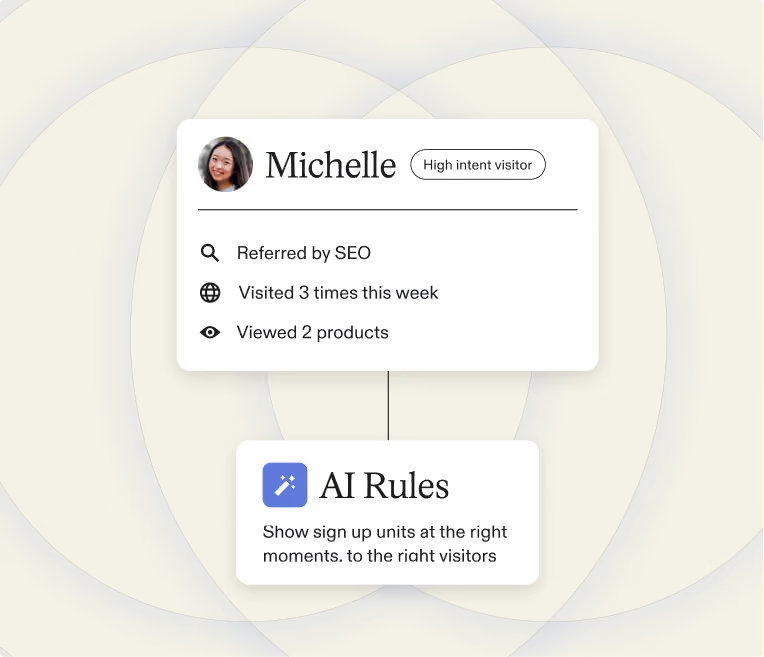
You browse a few products, leave, come back twice, and pause on one item. An AI system can now use that behavior to decide this is the moment to ask for your email or phone number.
Attentive has made AI Grow generally available. It reads live browsing and shopping behavior from identified and logged-out visitors, then chooses when and how to show a sign-up invitation. The company says beta deployments produced more subscribers and more welcome-series revenue, measured through cohort-level A/B tests.
There’s a reasonable customer benefit here. Better timing can spare people the pop-up that arrives before they’ve even seen the page. The harder question is what the business does with everything the model learns. It’s predicting intent, then choosing a moment when the customer may be more likely to say yes.
A conversion lift doesn’t settle whether this is working well. Teams still need to inspect frequency, suppression after a decline, offer consistency, unsubscribe behavior, downstream complaints, and the quality of the consent they earned. They also need to know what the system does with hesitation. Does it back off, offer help, or keep looking for another opening?
Bottom Line: Improve the timing, but don’t disguise the choice. A better-timed request is still a request.
📬 Copy-Paste Take
Personalization gets uncomfortable when the customer can’t tell whether the brand is helping or simply getting better at choosing when to ask. Measure the opt-in. Then look at the permission you actually earned: quick unsubscribes, complaints, repeat engagement, and what happens after the welcome offer is gone.
🧭 OPERATOR PLAYBOOK
Audit the Ask, Not Just the Answer
Pick one AI-timed prompt that asks a customer to subscribe, share data, accept an offer, or take the next step.
Audit the decision for four things:
Trigger: Which customer behaviors make the prompt appear?
Restraint: What suppresses it after a decline, close, or repeat visit?
Clarity: Can the customer understand the value exchange before agreeing?
Aftermath: Do complaints, unsubscribes, conversion, and retention travel back into the model review?
Then compare the customers who accepted with those who declined or closed the prompt. Look past the first conversion. What happened over the next 30 days, and which team owns the result when the answer isn’t good?
Ask your team: Are we making the invitation more relevant, or are we simply getting better at finding a moment when the customer is likely to give in?
Signal: If opt-ins rise while quick unsubscribes, complaints, or offer confusion rise with them, the model found pressure, not preference.
📊 MARKET REALITY CHECK
AI Isn’t Lifting Every Agent the Same Way
A peer-reviewed study of 5,172 customer-support agents found that access to an AI assistant increased successfully resolved chats per hour by 15% on average. Less-skilled and less-experienced agents improved 30%. Higher-skilled, experienced agents saw little productivity gain and a small decline in conversation quality.
The average can lead to bad workforce math. Give every agent the same AI productivity target and the business will overstate the expected gain from top performers while missing the larger opportunity: helping newer agents handle unfamiliar problems and learn faster. In the study, agents with two months of tenure who used the tool performed as well as untreated agents with more than six months of tenure.
Why it matters: AI may be more valuable as a capability bridge than a speed layer. That shifts the investment question from “How many contacts can we push through?” to “Where can we improve resolution, ramp time, and quality without making experienced agents worse?”
More Enterprise AI Stats: OCX Cognition
AI assist + one productivity target = bad workforce math.
🧰 TOOL WORTH KNOWING
PolyAI For Medical
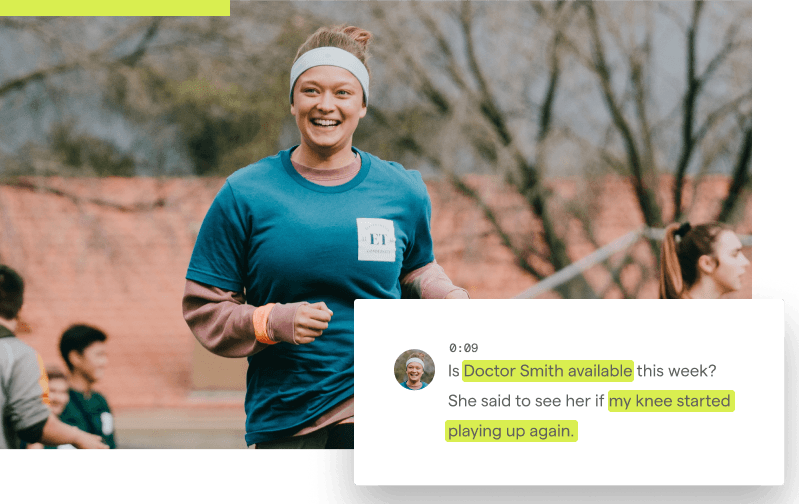
What it does: PolyAI builds healthcare voice agents that answer calls, schedule, change, and cancel appointments, route patients, handle billing and insurance questions, send reminders, and collect feedback. The agents can work with a healthcare company’s existing technology rather than forcing the patient to navigate the stack.
CX use case: A patient calls after hours to move an appointment. Instead of hitting a phone tree or leaving a message, the patient can change the booking or reach the right care team. The real test is whether the context survives when a person needs to take over.
Worth watching because: Patient access isn’t one task. It spans appointments, routing, billing, insurance, reminders, and feedback. Track completed tasks, wrong routes, repeat calls, abandonment, no-shows, handoff context, and complaints, not just calls contained.
Bottom line: Voice AI earns its place when the patient reaches the right next step, not when the phone simply stops ringing.
The DCX AI Today - AI Tool Directory - If you lead a CX team and want a curated shortlist of tools worth evaluating, this is your starting point.
📡 90-SECOND CX RADAR
Pega Puts Approval History Inside Agentic Campaign Work
Pega made Customer Engagement Studio generally available with conversational campaign design, executable rule generation, approval history, re-approval controls, opt-out monitoring, and a Gryphon partnership for contact compliance.
Why it matters: Approval history and opt-out monitoring belong in the path from brief to customer contact. A policy deck reviewed after the campaign ships can’t stop a bad decision that already reached the customer.
HaStock Adds 1,050 AI-Powered Smart Carts
The follow-on order brings HaStock’s commitment to 3,050 Cust2Mate carts. The platform combines on-cart checkout, shopper data, real-time engagement, and retail media at the point where purchase decisions happen.
Why it matters: The cart is becoming the checkout, a recommendation engine, and an advertising surface. Retailers need to make paid influence visible so the shopper can tell when a suggestion is meant to help and when someone paid to put it there.
✅ YOUR MOVE
Find one place where AI decides when to ask a customer for something: data, attention, permission, money, or the next step.
Pull 25 recent examples. Record the trigger, the customer’s choice, and what happened next. Include the people who closed the prompt, unsubscribed, complained, or disappeared. They count too, even if the conversion dashboard doesn’t.
Name one owner for the invitation rule and one metric that protects the customer’s choice. Review both in 30 days.
If the model can choose the moment to ask, your team has to own the moment it should stay quiet.
Until Monday,

👥 Share This Issue
Think of one person who’s wrestling with AI in CX right now
and forward this to them.
I’m obsessed with Wispr Flow Pro! Get a Free Month on me.

If someone forwarded this to you, they thought you needed to see it before your next AI planning meeting. Get your own copy.