

Who Picked This For Me?
Plus: AI agents are starting to decide where customers go. The harder question is who owns what happens after they arrive.


Your daily signal on AI and CX — minus the hype.
DCX Stat of the day: France’s competition authority says OpenAI, Google, and Anthropic together account for more than 84% of AI-agent users. Autorite de la concurrence
In this issue:
→ One answer can hide the entire shortlist
→ Recommendation records become a CX control
→ Grocers bring shopping agents in-house
→ VitalCX owns the work behind patient access
→ Automation leaves humans the harder queue
🔍 DEEP DIVE
One Answer Can Hide the Entire Shortlist

France’s competition authority is warning that AI agents may become gateways between customers and markets. For CX leaders, the risk starts before the customer reaches the journey you designed.
A customer asks which product to buy, airline to use, hotel to book, or provider to trust. The agent returns one answer or a short list. Behind it sit decisions about data, ranking, inventory, commercial relationships, and which options never appeared.
A recommendation is compressed journey design. When its logic is invisible, customers can’t tell whether the answer is useful, sponsored, incomplete, or simply wrong. Brands may lose the visit, the behavioral data, and even the chance to explain why they belong on the list. The company that fulfills the choice may also inherit a promise it never made, then own the scheduling, handoffs, exceptions, and recovery that follow.
Bottom Line: When an agent controls the shortlist, recommendation design and downstream ownership become part of CX governance.
📬 Copy-Paste Take
Before treating AI agents as a new acquisition channel, define the evidence behind a fair recommendation: data used, options considered, ranking factors, commercial influence, and recovery owner. A fast answer isn’t enough if nobody can reconstruct how the customer got there.
🧭 OPERATOR PLAYBOOK
Can You Defend the Shortlist?
Choose one journey where an AI agent could decide what the customer sees next. Capture ten real or simulated recommendations, then build a simple decision record for each one:
Customer request and context used.
Options considered, included, and excluded.
Ranking rules and commercial influence.
Named owner when the recommendation fails.
Track three measures: how often the reason is visible, how often customers can compare or change the choice, and how often recovery reaches an accountable owner.
Ask your team: Could we defend this shortlist to the customer who received it?
Signal: Your next CX blind spot may sit outside the channels you currently measure.
📊 MARKET REALITY CHECK
What Happens When the Store Owns the Assistant?
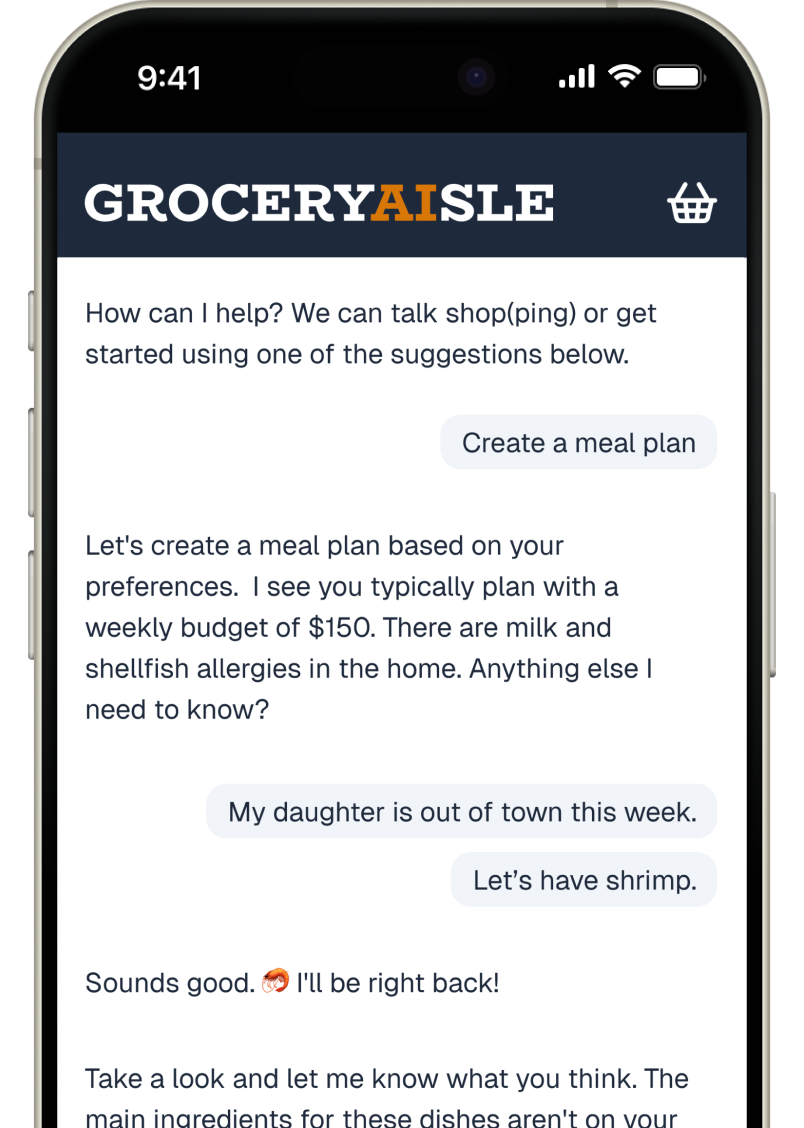
EveryAisle says it is live across 80+ independent grocers through AWG under the SmartMeals brand. Its pilot data says shoppers who planned meals with EveryAisle spent 22% more per trip than other loyalty members, while pilot stores saw a 72% surge in loyalty signups and 310% ROI over a 90-day deployment window.
If those vendor-reported pilot results hold at scale, the ownership model matters as much as the interface. These grocers are placing the assistant inside their branded experience, where recommendations can connect to live inventory, loyalty, coupons, household preferences, and first-party data. The basket, the promise, and the recovery path stay with the retailer.
Why it matters: An owned agent can turn customer intent into revenue without giving away the relationship that produced it.
Intent + inventory + identity = a shopping journey the retailer can improve.
🧰 TOOL WORTH KNOWING
VitalCX Takes Responsibility Past the Front Door
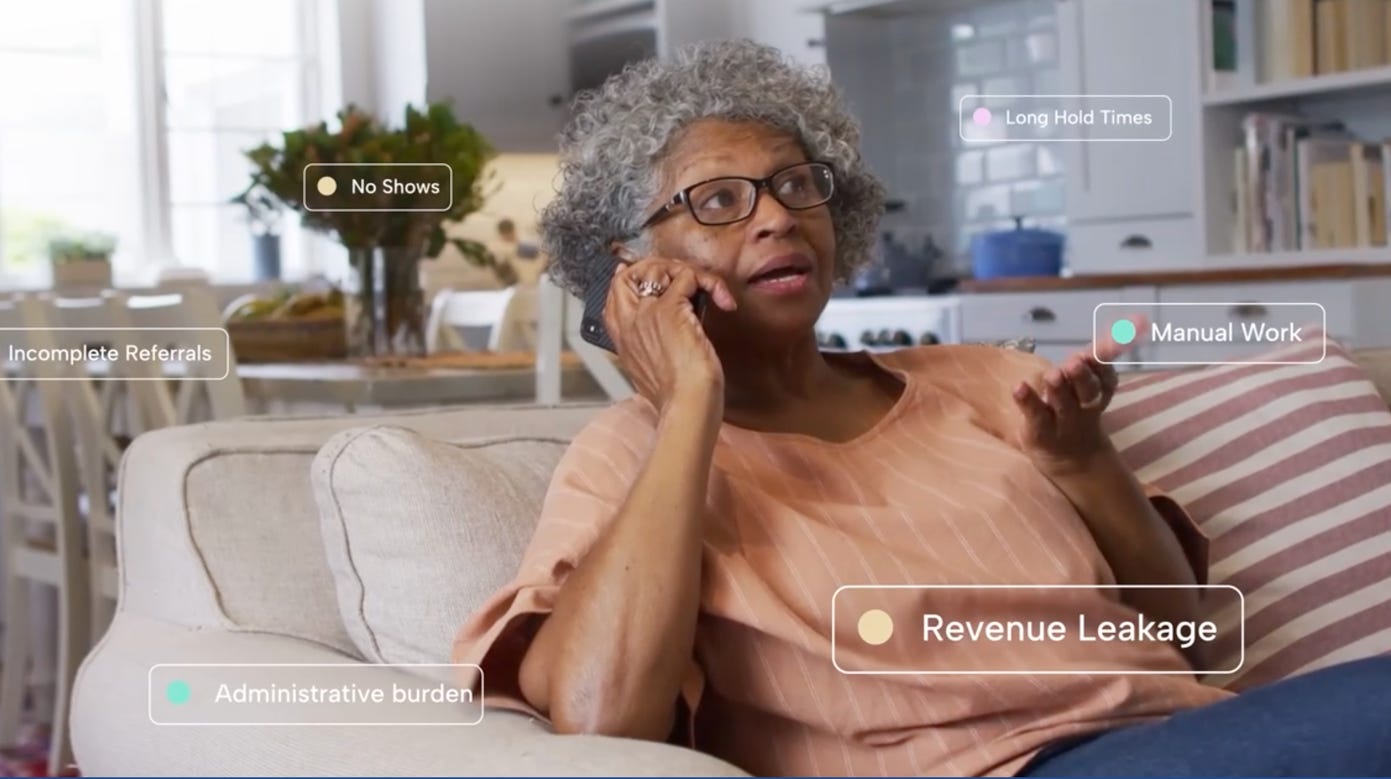
What it does: VitalCX is a healthcare experience platform that combines managed operations with GraceAI across scheduling, triage, referrals, outreach, medical records, billing, and patient support.
CX use case: A patient can receive the right recommendation and still get lost between referral, authorization, records, appointment availability, follow-up, and billing. VitalCX is built to coordinate that operational work across care teams and systems.
Worth watching because: VitalCX pairs automation with defined workflows, real-time oversight, quality and compliance monitoring, and named ownership. Its site says Westside Family Healthcare used the service to answer 99,000+ calls and schedule nearly 19,000 appointments year to date, while abandoned calls fell from 38% to 6.5%.
Bottom line: The value comes from keeping AI, people, workflow design, and an accountable owner focused on the same patient outcome.
The DCX AI Today - AI Tool Directory - If you lead a CX team and want a curated shortlist of tools worth evaluating, this is your starting point.
📡 90-SECOND CX RADAR
Automation is leaving humans the harder queue
As AI handles more routine service, the human queue concentrates exceptions, complaints, sensitive issues, and judgment calls. Average handle time may rise even when the overall system is working better.
Why it matters: Staffing, coaching, QA, and productivity targets need to account for case complexity, or the people handling the hardest work will look less productive on paper.
✅ YOUR MOVE
AI agents are moving customer choice upstream from the journeys most companies measure.
The same accountability has to continue downstream. Once AI starts the journey, someone still has to own the scheduling, handoffs, exceptions, follow-up, and recovery.
Run the same customer request through three agents this week. Save the answers, then trace one recommendation all the way through fulfillment. Ask:
Did the shortlist change, and can you explain why?
Were paid or preferred relationships visible?
Where does ownership move from recommendation to delivery?
Who handles the first exception without restarting the customer?
The answer starts the journey. Accountability has to survive the rest of it.
Until tomorrow,

👥 Share This Issue
Think of one person who’s wrestling with AI in CX right now
and forward this to them.
I’m obsessed with Wispr Flow Pro! Get a Free Month on me.

If someone forwarded this to you, they thought you needed to see it before your next AI planning meeting. Get your own copy.
Customer request and context used.
Options considered, included, and excluded.
Ranking rules and commercial influence.
Named owner when the recommendation fails.
Is this an orchestration platform that's actually putting in the AI work necessary to correctly evaluate these interactions? This is a rare find if that's the case. Those four elements you've listed in your article are almost impossible to find inside of any orchestration vendor that isn't managing their own AI/decision system.
Really insightful article aw always, Mark!