

Your Answer Box Owns the Next Click
Replacing menus with conversation can cut customer effort. It also lets one answer decide what the customer sees next.


Your daily signal on AI and CX — minus the hype.
DCX Stat of the day: 10% of people globally used an AI chatbot for news in the past week, up from 7% last year. Reuters Institute for the Study of Journalism
IN THIS ISSUE
A chatbot takes over the front page
Every answer needs a visible way out
Verification can earn more trust than personality
Mendable turns documentation into cited support answers
Siri lets the customer tune the voice
🔍 DEEP DIVE
The Front Page Just Started Answering Back
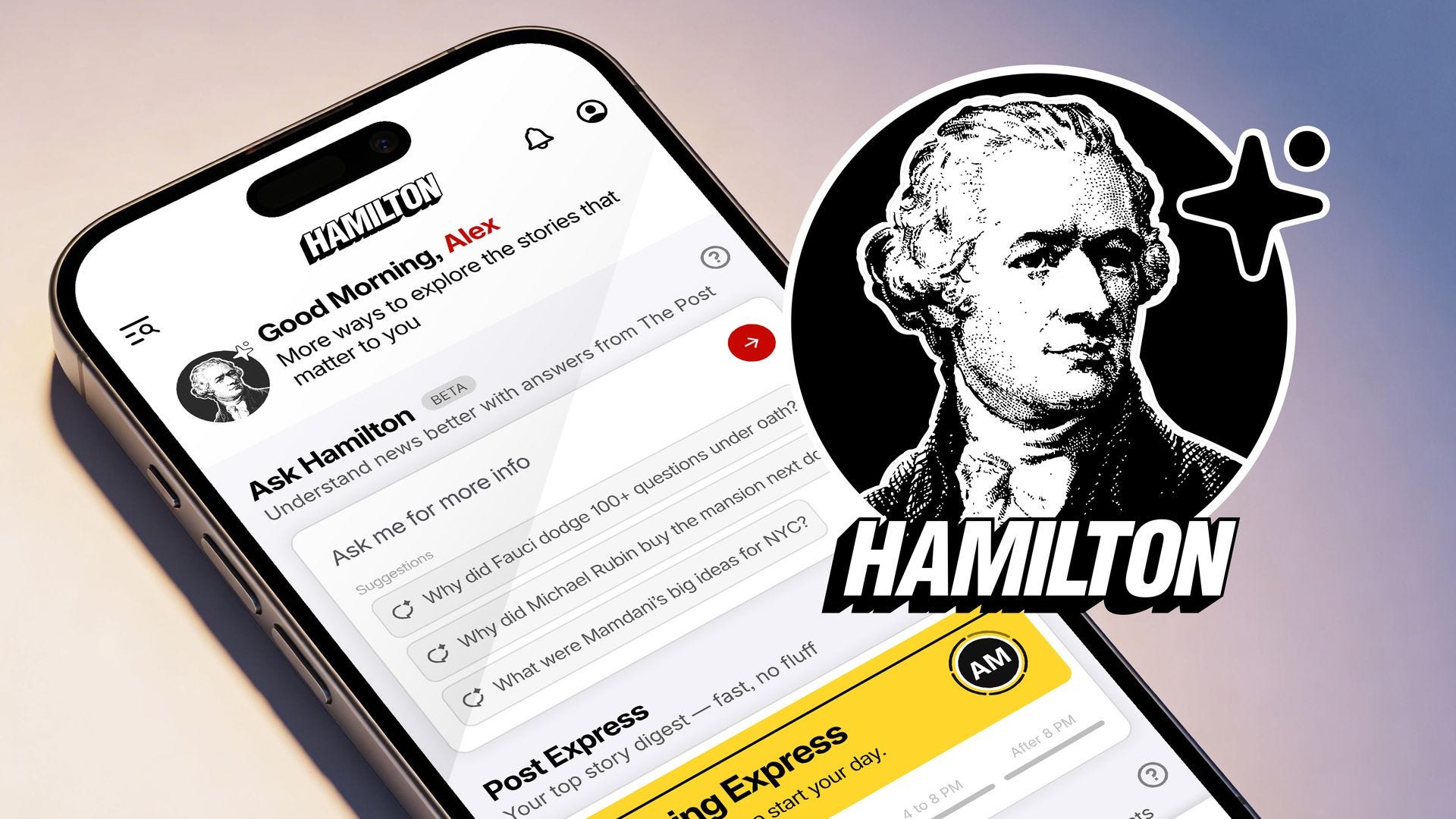
Open a news app, ask why a story matters, and get an answer without hunting through sections or search results. That’s the bet behind Hamilton, the New York Post’s new AI experience.
Hamilton Search answers questions from current and archived Post journalism. Post Express builds personalized briefings. Other features recommend stories and commentary. Google Cloud provides the models, search, and infrastructure. The Post says it controls the editorial boundaries and the experience.
This is a media story, but the CX pattern travels. Banks, retailers, insurers, and healthcare companies are all replacing navigation with conversation. The catch? Customers can’t see which choices the interface skipped, which source the answer favored, or which rule shaped the recommendation unless the product shows them.
That makes the answer box more than a convenience feature. It becomes the point where the brand interprets its own products, policies, and promises for the customer.
Bottom Line: If conversation becomes the interface, customers need to see where an answer came from, what it may have left out, and how to challenge it.
Source: Axios
📬 Copy-Paste Take
When your website starts answering instead of showing, every answer becomes a customer decision. Give people the source, the boundary, and a way to challenge the result before the shortcut quietly becomes the policy.
🧭 OPERATOR PLAYBOOK
Make the Shortcut Inspectable
Pick one customer question your site or app now answers with AI. Then follow the answer all the way to the next action.
Audit every answer-driven journey for four things:
Source: Can the customer see which policy, product page, article, or account fact shaped the answer?
Scope: Does the interface say what it knows, what it doesn’t, and when the information was updated?
Correction: Can the customer flag a wrong premise or reach the underlying content without starting over?
Outcome: Do you measure whether the answer led to a completed task, a bad decision, a repeat question, or a handoff?
Then ask the same consequential question in two realistic customer situations. If the answers differ, can your team explain why?
Ask your team: What important choice does our answer interface make invisible?
Signal: The shorter the interface gets, the more visible its evidence needs to be.
📊 MARKET REALITY CHECK
Trust Wants a Receipt

Only 2% of U.S. adults named AI chatbots or assistants among their top three sources for news or information in Gallup’s May survey. That sounds tiny. The more useful design signal sits in what people said would increase trust.
Twenty-two percent said being able to verify the information with another source would help. Another 20% wanted the news organization to say a human editor had checked it. Those numbers don’t prove that citations or review labels will change behavior. But they give operators a practical clue: customers want something they can check and someone accountable behind the answer, not just a friendlier voice.
Why it matters: As answer interfaces spread, confidence won’t be enough. Customers need to inspect the evidence and know who owns the result.
Less browsing + more answering = more responsibility per response.
🧰 TOOL WORTH KNOWING
Mendable
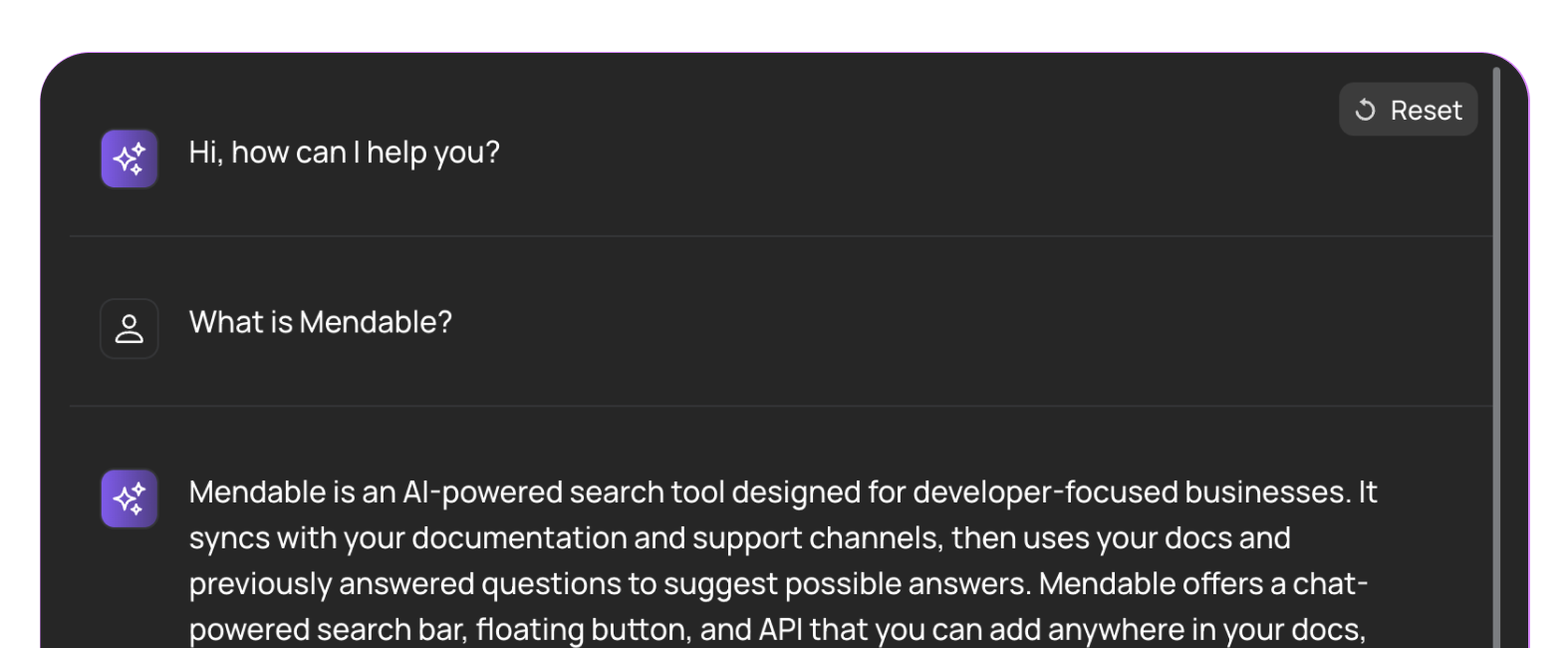
What it does: Mendable turns a company’s documentation and support content into an embedded AI search or product copilot. Answers can cite verified sources, and teams can correct responses as the knowledge changes.
CX use case: Put it inside a help center or product so customers can ask a real question and see the supporting documentation. The questions they ask, and the answers they rate poorly, show the team where support content is missing or unclear.
Worth watching because: The useful part is the feedback loop. Teams can see what customers ask, track satisfaction, correct weak responses, and keep the underlying content in sync.
Bottom line: A cited answer is a start. Give it an owner, a correction loop, and an outcome measure, and it starts behaving like a real service.
The DCX AI Today - AI Tool Directory - If you lead a CX team and want a curated shortlist of tools worth evaluating, this is your starting point.
📡 90-SECOND CX RADAR
Siri Lets You Tune the Voice. The Judgment Is Still Yours.
Apple’s latest iOS 27 public beta lets people with compatible iPhones adjust how fast and expressively Siri speaks. That sounds cosmetic until voice becomes the interface for search, service, and action.
Why it matters: Let customers tune the delivery. Just don’t confuse a nicer voice with a better answer.
✅ YOUR MOVE
AI interfaces are reducing the number of steps customers can see.
That makes the remaining answer carry more of the journey.
Take the five highest-volume questions on one customer-facing AI experience. For each one, check the source, update date, decision boundary, correction route, and next action.
Have the product owner and support lead review them together this week. Pick the riskiest gap, assign the fix and deadline, and decide which customer outcome will tell you it worked.
If your team can’t explain why the answer appeared or what happens when it is wrong, the interface isn’t finished.
The answer can be short. The accountability behind it can’t be.
Until next week,

👥 Share This Issue
Think of one person who’s wrestling with AI in CX right now
and forward this to them.
I’m obsessed with Wispr Flow Pro! Get a Free Month on me.

If someone forwarded this to you, they thought you needed to see it before your next AI planning meeting. Get your own copy.